
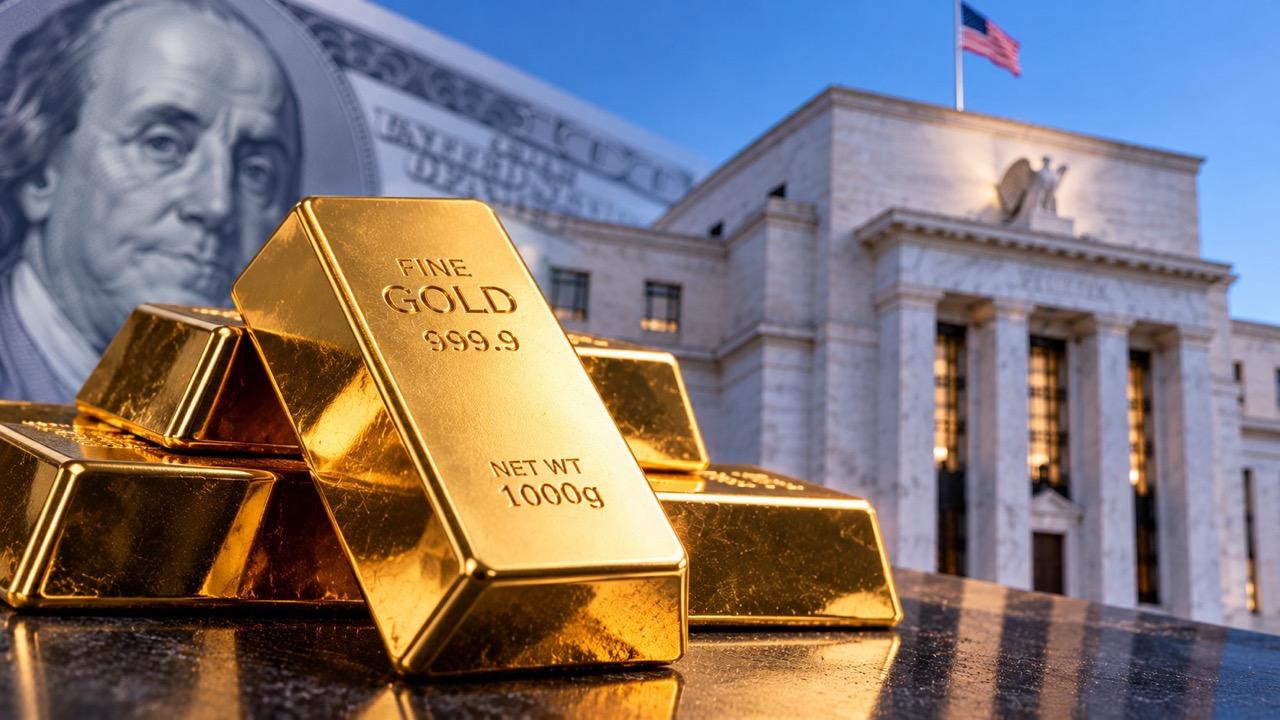
- Gold's brief move above $4,200 an ounce has put real interest rates back in focus, but the metal fell sharply on October 14 after hotter-than-expected US inflation lifted Treasury yields and the dollar, reinforcing the importance of monetary policy in determining bullion's next move.
Gold's recovery toward $4,200 has highlighted a familiar tension in precious-metals markets: bullion can attract demand during periods of economic and geopolitical uncertainty, but rising real interest rates can make holding an asset that pays no income less attractive.
The metal came under renewed pressure on Wednesday after the September US inflation report showed consumer prices rising 3.7% year over year, above economists' 3.6% forecast. Spot gold fell 1.7% to $4,086.06 an ounce, its lowest level since October 7, while US gold futures declined 1.6% to $4,108.60, Reuters reported.
The reversal followed trading around the $4,200 level earlier in the week, when investors were balancing safe-haven demand against elevated bond yields and a firm dollar. The latest inflation reading shifted that balance toward the interest-rate risk, as markets increased the probability of another Federal Reserve rate increase.
Real interest rates are central to that calculation because they measure the return on interest-bearing assets after accounting for inflation. When real yields rise, investors can earn a better inflation-adjusted return on government bonds, increasing the opportunity cost of holding gold.
That relationship is not absolute. Gold can remain supported by central-bank purchases, geopolitical risks and concerns about government debt even when yields are high. But the latest price move shows how quickly expectations for monetary policy can outweigh those longer-term sources of demand.
Why Real Interest Rates Matter for Gold Prices
Gold does not pay interest or dividends. Its appeal therefore depends partly on what investors sacrifice by holding it instead of assets that generate income.
When inflation-adjusted Treasury yields rise, the relative attraction of gold can weaken. A stronger US dollar adds another potential headwind because bullion is priced in dollars, making it more expensive for buyers using other currencies.
The relationship has become less straightforward in recent years. Reuters' analysis of gold's resilience above $4,000 found that central-bank diversification and geopolitical hedging have helped support bullion even as Treasury yields climbed. These forces have created a source of demand that is not fully explained by conventional interest-rate models.
Central-bank purchases remain important. The World Gold Council reported that central banks bought approximately 289 tonnes of gold in the second quarter of 2026, while total demand including over-the-counter transactions reached 1,269 tonnes. Those purchases can provide support during periods when exchange-traded funds and other investors reduce their exposure.
China has also remained a major source of demand. The country imported more than 1,000 tonnes of gold worth approximately $158.8 billion during the first eight months of 2026, according to customs figures reported by the Financial Times and Bloomberg. The scale of those purchases illustrates how physical demand can support the market even as financial investors respond to changes in yields.
However, neither central-bank buying nor record imports guarantees that prices will rise. Investors can still sell gold in response to higher yields, a stronger dollar or the need to raise cash. Wealthier Today's reporting on China's record gold imports and their implications for prices examines the demand side of that equation.
The market is therefore being pulled in two directions. Central-bank demand and geopolitical uncertainty can support gold's longer-term appeal, while rising real yields and dollar strength can weigh on short-term prices.
What the Latest Inflation Data Means for Gold Investors
The September CPI report strengthened the case for caution among gold investors because it increased the risk that the Federal Reserve may need to keep monetary policy restrictive for longer.
Following the release, market pricing indicated roughly a 44% chance of an October rate increase, up from about 22% before the report, according to Reuters. Traders also raised expectations for a December increase. Those probabilities are market estimates, not commitments from the Federal Reserve.
The dollar index strengthened, while Treasury yields moved higher. Both developments pressured bullion as investors reassessed the return available from dollar-denominated assets. The reaction also showed why gold's reputation as an inflation hedge does not mean it automatically rises whenever consumer prices accelerate. If inflation prompts markets to expect higher interest rates, the resulting increase in yields can offset demand for protection against rising prices.
The move followed an earlier selloff in which gold suffered its steepest daily decline in more than two months. Wealthier Today's report on gold's recent price plunge examined how higher Treasury yields, oil prices and changing Federal Reserve expectations contributed to that decline.
Investors should watch several indicators to assess whether the latest weakness continues: inflation-adjusted Treasury yields, the dollar, ETF holdings and central-bank purchases. A sustained decline in real yields could improve gold's relative appeal, while persistent inflation that drives bond yields higher could extend the pressure.
The distinction between short-term trading and longer-term demand is important. Central-bank purchases may support gold over time, but they do not prevent sharp price declines when financial markets rapidly reprice interest-rate expectations.
Gold's move above $4,200 showed that buyers were still willing to enter the market, but the subsequent drop demonstrates that the level alone does not establish a durable recovery. The next direction will depend partly on whether inflation pressures ease enough to reduce expectations for tighter monetary policy, and whether physical and institutional demand can offset the effect of higher real yields.
For now, gold remains caught between two competing forces: demand for a store of value during uncertain times and the rising opportunity cost of holding a non-yielding asset. Real interest rates, the dollar and incoming US economic data will remain central to determining which force dominates.