
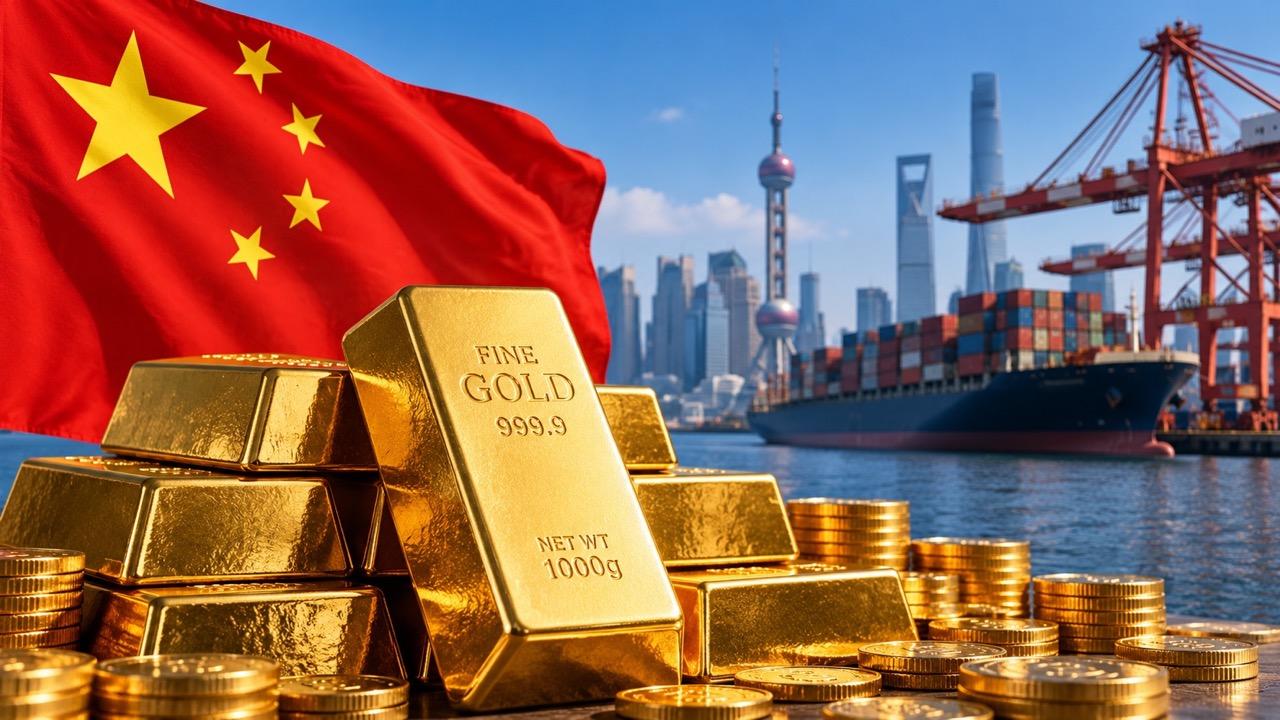
- China imported more than 1,000 tonnes of gold worth $158.8 billion in the first eight months of 2026, surpassing its total for all of 2025 as investors and the central bank increased purchases amid economic uncertainty and efforts to diversify assets.
China’s gold imports have reached record levels in 2026, with purchases through August exceeding the total for the previous year, according to customs data reported by the Financial Times and Bloomberg.
The country imported more than 1,000 tonnes of gold during the first eight months of the year, spending approximately $158.8 billion. That compares with imports of 886 tonnes worth $96.5 billion for all of 2025, according to the reports.
The surge highlights gold’s growing role in China’s investment market as households, financial institutions and the People’s Bank of China seek exposure to the metal. Demand has been supported by uncertainty surrounding the domestic property market, lacklustre stock-market performance and relatively low government bond yields.
The figures also come amid heightened global geopolitical uncertainty, which has encouraged investors and central banks to diversify their holdings. Gold is widely used as a store of value because it is not a liability issued by a government or financial institution.
However, record imports do not automatically mean gold prices will keep rising. The market also responds to interest-rate expectations, movements in the US dollar, investment flows and changes in demand from other major economies.
Why China Is Buying So Much Gold
Several factors are contributing to China’s exceptional gold-import volumes, including private investment demand, central-bank reserve accumulation and conditions that make imported bullion more attractive to domestic buyers.
Investors are seeking alternatives to property and stocks. China’s property downturn has weakened confidence in a traditional store of household wealth, while domestic equities have struggled to deliver consistent returns. Gold has attracted buyers looking to diversify savings and reduce exposure to other assets.
The World Gold Council’s China gold-market analysis found that Chinese gold exchange-traded funds added 11 tonnes in August, bringing collective holdings to 293 tonnes. Total assets under management rose to about RMB282 billion, equivalent to roughly $42 billion, during the month.
Those inflows indicate that demand extends beyond jewellery purchases. Investors can gain exposure to gold through exchange-traded funds, futures and physical bullion, although each route carries different costs and risks.
The central bank is continuing to add to its reserves. The People’s Bank of China reported purchasing 20.2 tonnes of gold in August, its largest monthly addition since October 2023, according to the World Gold Council. The purchase extended the central bank’s reported buying streak to 22 consecutive months at the end of August.
China’s official gold holdings reached approximately 2,387 tonnes at the end of that month. September data subsequently showed the buying streak extended to a 23rd consecutive month. Central-bank purchases can support gold demand over time, particularly when governments seek to diversify foreign-exchange reserves. However, official reserve purchases and total gold imports are different measures. Customs data capture broader cross-border flows, while reserve figures record gold reported as held by the central bank.
Currency and import conditions have helped. A relatively strong yuan has made internationally priced gold less expensive for Chinese buyers than it would be with a weaker currency, all else equal. Bloomberg reported that strong investment demand also kept mainland gold prices at a slight premium to global benchmarks, encouraging imports.
China’s import licensing arrangements may also have contributed to the timing of purchases. The combination of investor demand, local prices and import quotas can produce sharp changes in monthly trade flows even when underlying demand is more gradual.
The World Gold Council has also reported weaker wholesale demand for jewellery as higher prices weigh on consumers. That distinction matters: rising investment demand can coexist with softer jewellery consumption, meaning headline import figures do not necessarily reflect strength across every part of China’s gold market.
What Record Chinese Gold Imports Mean for Prices
China’s sustained purchases could provide support for international gold prices by increasing physical demand and reinforcing expectations that central banks and investors will continue allocating funds to bullion.
The scale of the imports is significant because China is one of the world’s largest gold markets. Continued purchases can tighten the balance between available supply and demand, particularly when other investors are also adding to holdings.
The effect is not always immediate, however. Gold prices can fall even while Chinese demand remains strong if other market forces dominate. In early October, gold dropped to a two-month low as a stronger US dollar and rising Treasury yields reduced the appeal of an asset that does not pay interest. The decline occurred despite continued reported gold purchases by China’s central bank.
Interest rates remain a key variable. If markets expect US rates to remain elevated, investors may favour interest-bearing assets over gold. Conversely, falling yields can reduce the opportunity cost of holding bullion and potentially support prices.
The dollar is another important influence because gold is commonly priced in US currency. A stronger dollar can make bullion more expensive for buyers using other currencies, while a weaker dollar can make it more affordable. Currency movements can therefore offset some of the price support provided by Chinese imports.
Investors should also distinguish between long-term demand trends and short-term trading signals. Record imports offer evidence of strong Chinese demand, but they do not establish a guaranteed price floor or indicate how much of that demand will persist if domestic investment conditions change.
For readers assessing gold as part of a broader portfolio, the World Gold Council’s research and market data provide a useful way to track central-bank purchases, exchange-traded fund flows and physical demand. Gold exposure can diversify a portfolio, but prices remain volatile and the metal does not generate income.
China’s record imports are therefore an important signal for the global gold market, not a standalone price forecast. Whether they translate into further gains will depend on the persistence of Chinese demand, central-bank buying, interest rates, currency movements and investment flows elsewhere in the world.