
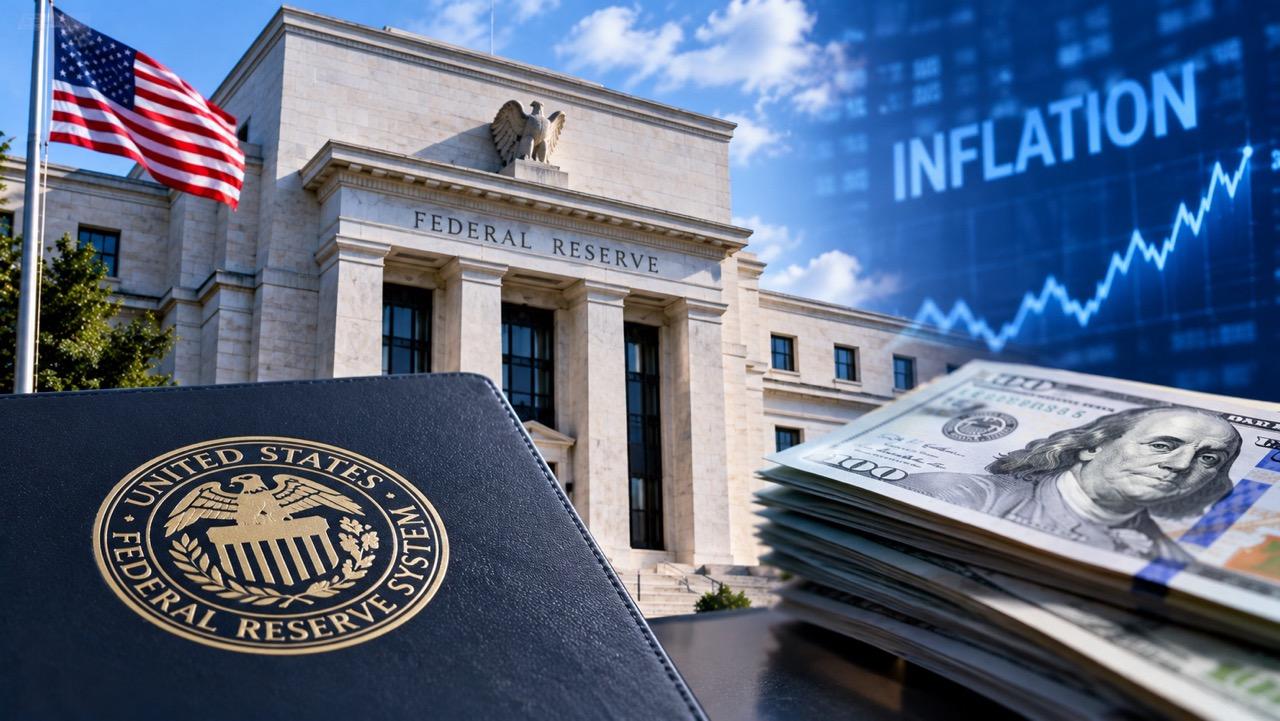
The Federal Reserve is widely expected to leave interest rates unchanged at its October 27–28 meeting, even as stubborn inflation strengthens the case for further monetary tightening before the end of 2026.
The central bank’s benchmark federal funds rate currently stands at 3.75% to 4%. In a Yahoo Finance report published October 25, economists and former Fed officials said policymakers could pause this week while signaling that another increase remains possible if price pressures persist.
September’s consumer price index rose 3.7% from a year earlier, up from 3.4% in August, while core CPI, which excludes food and energy, accelerated to 2.6%. Both readings remain above the Fed’s 2% inflation target, complicating the outlook for borrowing costs.
The decision follows the Federal Reserve’s September rate increase, its first in more than three years. Although financial markets largely expect a pause, investors will scrutinize Chair Kevin Warsh’s comments for clues about whether policymakers are preparing to raise rates again in December.
Inflation Keeps Another Fed Rate Hike on the Table
The latest inflation figures have renewed pressure on policymakers to keep monetary policy restrictive. Higher energy prices have contributed to rising consumer costs, but the increase in core inflation suggests that price pressures are not confined to fuel and other volatile categories.
The Fed’s preferred inflation gauge, the Personal Consumption Expenditures price index, is also expected to show inflation remaining above target when September data are released later this week. The figures will give officials another measure of whether price growth is stabilizing or becoming more persistent.
Former Fed Vice Chair Alan Blinder favors a cautious pause, arguing that the broader inflation trend does not necessarily justify an immediate increase. Former Kansas City Fed President Esther George has also emphasized the need for clear communication, while other policymakers have warned that waiting too long could allow inflation to become entrenched.
That division leaves the Fed balancing two competing risks: raising rates too aggressively could weaken economic growth, while holding them steady for too long could make inflation harder to control. A similar tension emerged after the latest US inflation report lifted rate-hike expectations and pushed Treasury yields higher.
The labor market offers some room for patience. Unemployment stood at 4.2% in September, while wage growth has been running below inflation in recent months. Those conditions may limit the urgency for another immediate increase, even as consumer spending and business investment remain firm.
The central bank’s challenge is to explain why it is holding rates steady despite elevated inflation without signaling that it has abandoned its commitment to price stability. A pause would not necessarily mark the end of the tightening cycle, particularly if upcoming data show inflation continuing to accelerate.
December Rate Decision and Kevin Warsh’s Guidance in Focus
Financial markets have increasingly priced in a pause at the October meeting, with interest-rate futures indicating roughly a 90% probability of no change before the decision. Expectations for December remain more hawkish, reflecting concerns that policymakers may need to tighten monetary policy again if inflation fails to cool.
Warsh’s press conference and the Fed’s policy statement will therefore be closely watched. Investors will look for language on inflation persistence, financial conditions and the possibility of another rate increase before year-end.
The timing also places the decision less than a week before the November 3 US midterm elections. Economists interviewed by Yahoo Finance said the proximity of the vote could add sensitivity to the Fed’s communication, although policymakers are expected to base their decision on economic conditions rather than political considerations.
Bond markets are another source of pressure. The 10-year Treasury yield has hovered near 5%, raising borrowing costs across the economy even before any further Fed move. Higher long-term yields can put additional pressure on mortgage rates, corporate financing and stock valuations, as outlined in Wealthier Today’s coverage of the relationship between Fed policy, mortgage rates and savings yields.
A stronger-than-expected inflation reading could reinforce expectations for a December increase and push Treasury yields higher. Softer data may give policymakers more time to assess whether the September acceleration was temporary, although one report is unlikely to settle the debate.
For investors and borrowers, the key takeaway is that an October pause would not automatically mean interest rates have peaked. The next move will depend on inflation, employment and financial conditions, with the Fed’s December decision likely to hinge on whether price pressures show convincing signs of easing.