
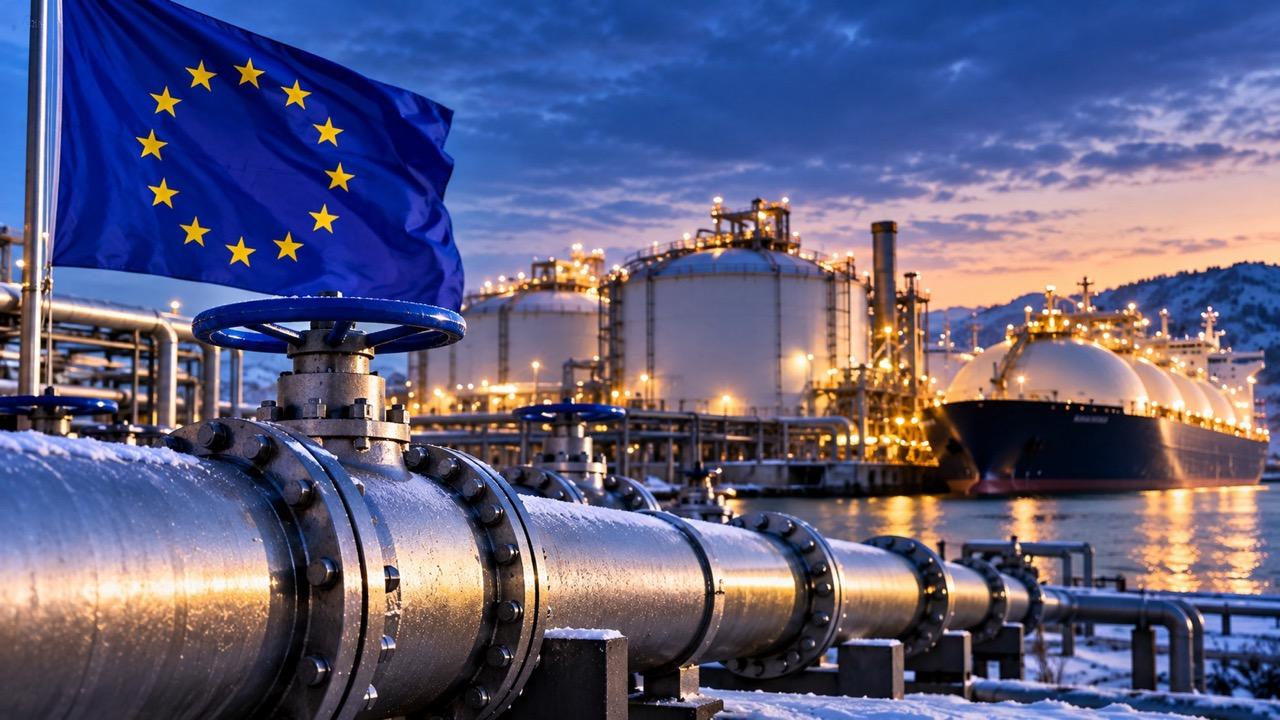
European natural gas prices climbed above €97 per megawatt-hour on October 26, reaching their highest level since 2022 as low storage levels, colder weather forecasts and Middle East supply disruptions intensified concerns about Europe's ability to meet winter demand.
The Dutch Title Transfer Facility (TTF) front-month contract, the region's benchmark gas price, rose as much as 3.5% early Monday before trading 3.2% higher at €96.88 per megawatt-hour at 8:50 a.m. in Amsterdam, according to Bloomberg's report. The latest increase extended last week's advance, adding pressure to European energy markets as the heating season approaches.
Traders are preparing for higher heating demand as temperatures are expected to fall across the continent. At the same time, disruptions to liquefied natural gas (LNG) supplies from the Persian Gulf have tightened the market, increasing competition between European and Asian buyers for available cargoes.
The price surge comes as Europe enters winter with unusually low gas inventories. European Union storage facilities were about 74.6% full as of October 25, the lowest level for this time of year in records dating back to 2009. Germany's storage facilities were just over 61% full.
Middle East Disruptions Leave Europe Exposed to Winter Gas Shortages
Europe has become more reliant on LNG imports since the 2022 energy crisis reduced the availability of Russian pipeline gas. That shift has made the region more exposed to global shipping disruptions and competition for supplies from producers such as Qatar.
The ongoing Middle East conflict has disrupted energy flows through the Persian Gulf, adding uncertainty to the outlook for LNG deliveries. Bloomberg reported that expectations for a near-term improvement in supply conditions have weakened amid continued hostilities and the risk of further escalation.
The combination of restricted imports and low inventories leaves Europe with a smaller buffer against a prolonged cold spell. If demand rises faster than expected, utilities may need to compete more aggressively for LNG cargoes, potentially pushing wholesale prices higher.
The latest rally follows a sharp increase last week, when Dutch gas futures gained nearly 7%.The market is also facing a seasonal challenge: Europe typically builds gas inventories ahead of winter, but weaker supply flows have made that task more difficult.
The storage shortfall could have consequences beyond the gas market. Wealthier Today previously reported that eurozone inflation reached 3.8% in September as energy costs surged. A sustained rise in wholesale gas prices could add further pressure to household energy bills and business costs, although the timing and scale of any pass-through will depend on national pricing systems and existing contracts.
European Gas Rally Raises Inflation and Electricity Price Risks
Higher gas prices can also lift electricity costs because gas-fired power plants often help set wholesale power prices in European markets. On Monday, French month-ahead electricity futures exceeded €200 per megawatt-hour for the first time since January 2023, Bloomberg reported.
The increase adds to the pressure facing energy-intensive industries and utilities as they prepare for the colder months. If elevated wholesale prices persist, businesses could face higher operating expenses, while households may experience increases when fixed-price contracts expire or tariffs are revised.
However, the latest price levels remain below the extremes reached during the 2022 energy crisis, when Dutch gas futures surged above €300 per megawatt-hour following Russia's invasion of Ukraine and the disruption of pipeline supplies.
The current market outlook depends heavily on temperatures, LNG deliveries and developments in the Middle East. A milder winter or improved supply flows could ease pressure, while renewed disruptions or a prolonged cold spell could leave buyers competing for limited fuel.
For investors and policymakers, the immediate concern is whether Europe can rebuild sufficient reserves while managing higher energy costs. The gas market's latest move shows that the region remains vulnerable to external supply shocks even several years after the 2022 crisis.