
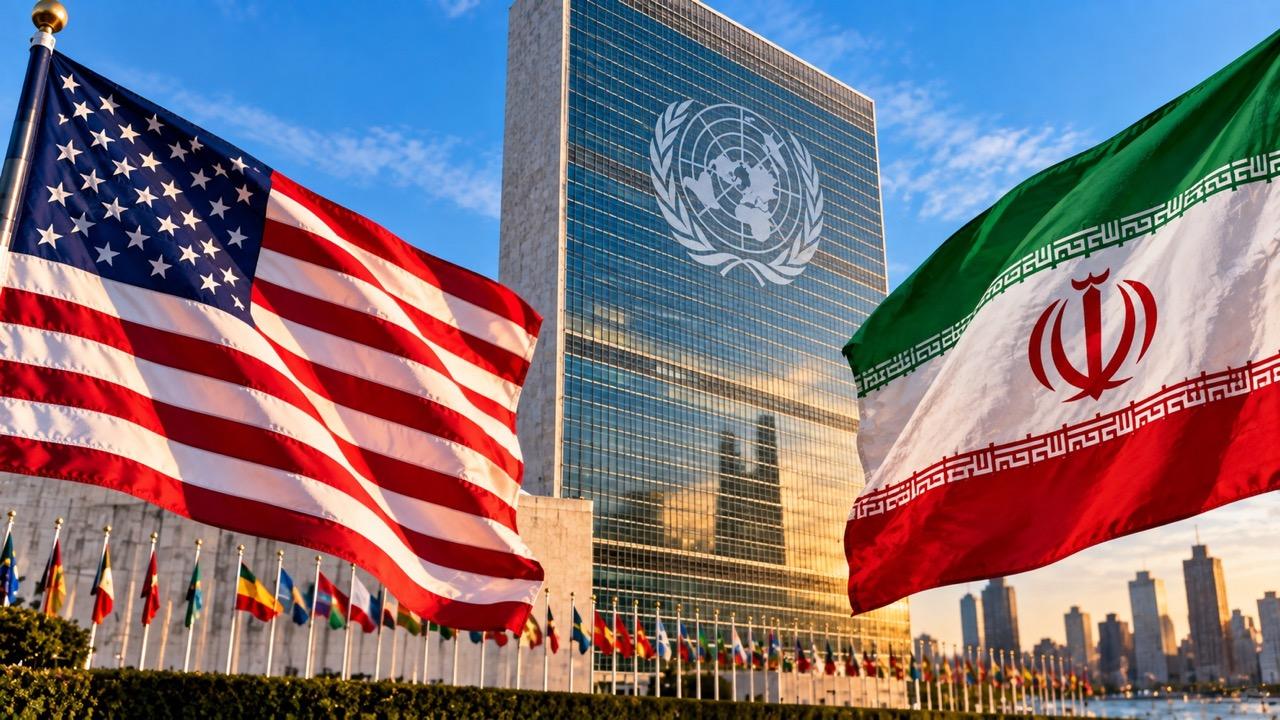
- US Secretary of State Marco Rubio ordered Iran’s UN delegation to leave New York after indirect negotiations stalled, while Tehran said the diplomats departed according to a schedule communicated weeks earlier.
US Secretary of State Marco Rubio ordered Iranian Foreign Minister Abbas Araghchi and his delegation to leave New York after negotiations between Washington and Tehran reached an impasse, according to a US official cited by Axios.
The move came after the high-level portion of the United Nations General Assembly had concluded. The UN's official schedule shows that the 81st General Assembly's main general debate ran from Sept. 22 through Sept. 28, with additional high-level meetings continuing afterward.
According to Axios, the US mission to the UN informed Iran's mission on Monday evening that Araghchi's delegation should leave New York immediately. A US official said the delegation had "overstayed their welcome" after the General Assembly ended.
Iran disputes that account. Iran's UN mission said the delegation left New York on Monday evening according to a pre-scheduled itinerary that had been communicated to the US State Department on Sept. 17. Anadolu's report said Tehran rejected the characterization that its officials had been expelled.
The competing accounts leave an important distinction over whether Washington accelerated an already scheduled departure or formally expelled the delegation from the country.
US-Iran Talks Remain Focused on Hormuz and Nuclear Issues
Araghchi remained in New York after Iranian President Masoud Pezeshkian left following his address to the General Assembly, with the foreign minister participating in indirect discussions aimed at ending the conflict.
The talks were facilitated by Qatar and covered several interconnected issues, including the Strait of Hormuz, US sanctions and Iran's nuclear program. The Reuters account of the diplomatic negotiations reported that Washington and Tehran had been exploring a phased arrangement involving the reopening of the strategic waterway and changes to US economic restrictions.
The Strait of Hormuz has remained a central economic issue because disruption there affects energy shipments and global crude markets. More recent Reuters reporting said Iran's latest proposal included reopening the Strait of Hormuz, lifting the US blockade of Iranian ports and unfreezing Iranian assets, while Tehran would resume discussions concerning its nuclear program.
The negotiations have therefore carried consequences beyond diplomacy. Energy markets have repeatedly reacted to developments involving the waterway, with oil prices rising above $100 after President Donald Trump rejected an earlier Iranian proposal tied to reopening the strait.
Iran Delegation Leaves as Mediators Continue Diplomacy
The departure of Araghchi's delegation does not mean diplomatic contacts have ended. Qatari mediators continued discussions with both Washington and Tehran over a possible compromise proposal after the New York negotiations stalled.
Also, Araghchi had been involved in indirect negotiations concerning the Strait of Hormuz, regional conflicts and Iran's nuclear program before leaving New York. Iran rejected the US characterization of the departure, saying the trip home had been arranged in advance.
The timing is significant because the General Assembly's high-level week had already ended. The UN says the 81st session itself remains open through Sept. 7, 2027, meaning the conclusion of the high-level meetings did not mark the formal end of the broader General Assembly session.
For markets, the immediate focus remains on whether indirect negotiations produce an agreement that restores normal commercial passage through Hormuz. Recent Middle East oil export data show that energy flows have been recovering but remain below pre-conflict levels, keeping geopolitical developments relevant to crude prices.
For Washington and Tehran, however, the next step remains diplomatic. The Iranian delegation has left New York, but Qatar's mediation efforts are continuing, leaving the possibility of further indirect discussions despite the latest breakdown.