
Median household income in the US reached a record $87,460 in 2025, while the nation's official poverty rate declined, according to new data from the US Census Bureau. The inflation-adjusted median income figure rose 2.6% from $85,210 in 2024, marking the highest level recorded in the Census Bureau's data going back to 1967.
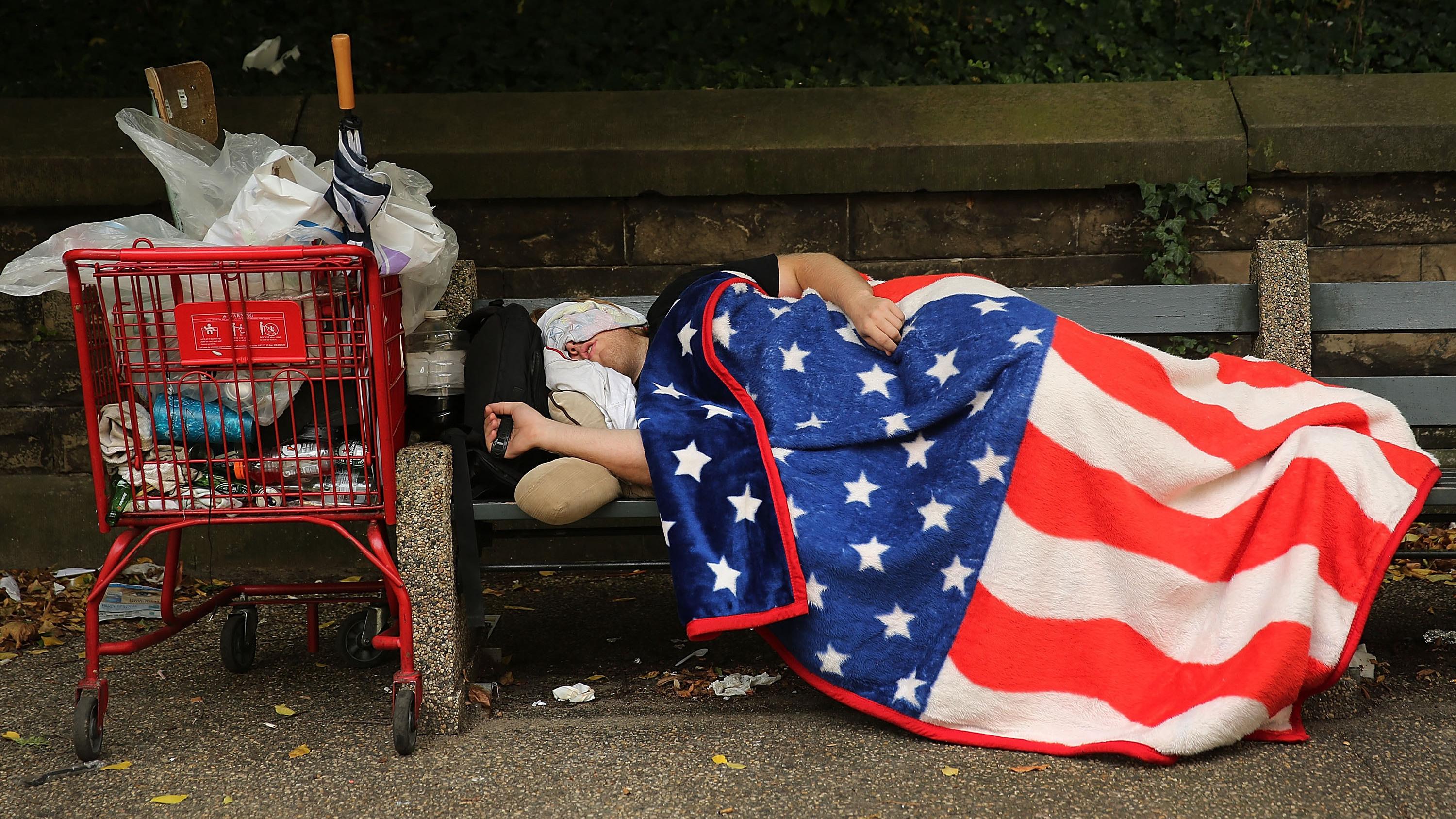
The official poverty rate fell 0.5 percentage point to 10.2%, leaving about 34.5 million people below the official poverty threshold in 2025. The poverty rate among children also dropped to a record-low 13.4%, while the rate for Hispanic individuals declined to 13.9%, another historic low.
The Census Bureau said the median household income estimate is based on pretax money income and excludes the value of in-kind government benefits. Separately, median household income after taxes and credits rose 3.1% to $76,060 from $73,760 a year earlier. Income gains were uneven across demographic groups. Median income increased 3.0% for White households and 4.8% for Black households, while the Census Bureau found no statistically significant change for Asian or Hispanic households. Overall differences among the racial and ethnic groups were not statistically significant.
The latest figures also showed a modest improvement in the earnings gap between women and men working full time throughout the year. The female-to-male median earnings ratio climbed to 83.9% in 2025 from 80.6% in 2024. Women's median earnings increased 3.2%, while the change for men was not statistically significant.
The Census Bureau's Supplemental Poverty Measure, which takes taxes, government assistance, work expenses, medical costs, and geographic differences in housing expenses into account, stood at 13.1% in 2025, unchanged by a statistically significant amount from the previous year. Social Security remained the largest program reducing poverty under the measure, lifting an estimated 28.8 million people out of SPM poverty.
Health coverage was broadly stable. About 26.7 million Americans, or 7.9% of the population, lacked health insurance for the entire year in 2025, a figure that was not statistically different from 2024. Employment-based insurance remained the most common form of coverage, reaching 53.5% of the population for some or all of the year.
Public insurance covered 35.8% of the population in 2025, with Medicare enrollment increasing by 0.6 percentage point and Medicaid coverage declining by 0.5 percentage point. Among adults ages 19 to 64, public coverage fell to 17.3%, largely because Medicaid coverage declined.
The data come from the 2026 Current Population Survey Annual Social and Economic Supplement, which collects information on income, poverty and health insurance coverage for the prior calendar year. The Census Bureau noted that the survey's weighted response rate was 61.3%, compared with 62.0% the previous year, and said adjustments are made to account for potential nonresponse bias.