
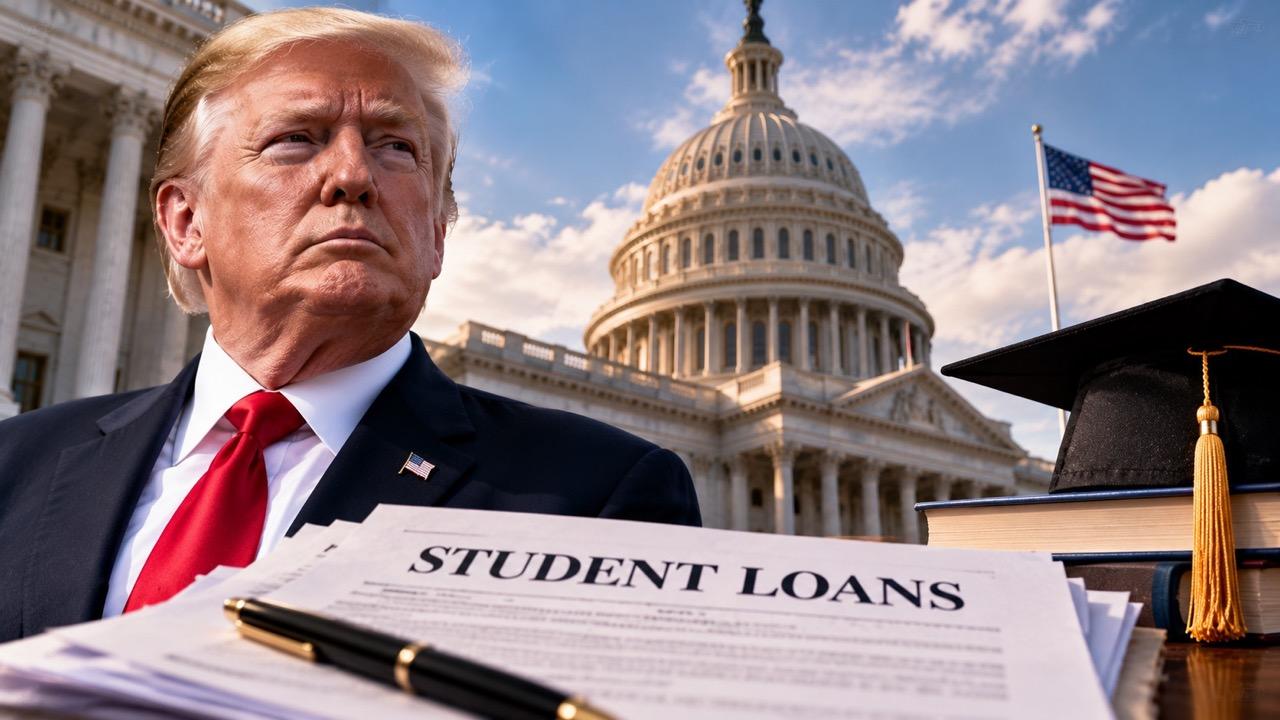
The Trump administration is reportedly preparing new collection measures targeting nearly 10 million Americans who have defaulted on federal student loans, including plans to hire private debt collectors and garnish wages. The measures could advance after the November 2026 midterm elections, potentially increasing financial pressure on borrowers already struggling with repayment.
The Trump administration is preparing to tighten enforcement against Americans who have fallen behind on federal student loan payments, with new collection efforts potentially starting next year. The plans, reported by Rolling Stone, could expose millions of borrowers to renewed efforts to recover unpaid debt.
The report follows an October 19 investigation by The Washington Sun, which cited five sources familiar with the administration’s plans. The Treasury Department is preparing to hire private debt collectors, with some of that work potentially beginning as soon as November, the report said. The administration is reportedly considering delaying a public announcement until after the midterm elections.
The plans would mark a potential shift after the US Department of Education postponed involuntary collections in January. At the time, the department said the delay would give borrowers more time to review repayment options and allow officials to implement changes under the Working Families Tax Cuts Act.
How Trump’s Student Loan Collection Plans Could Affect Borrowers
The proposed measures could affect borrowers who have defaulted on federal student loans. Under existing federal rules, a loan generally enters default after at least 270 days without a required payment.
The government can pursue administrative wage garnishment and withhold eligible federal payments, including tax refunds, to recover qualifying unpaid debt. The Federal Student Aid office’s default guidance explains how these collection methods work and outlines options for borrowers seeking to resolve their accounts.
Administrative wage garnishment can allow the government to collect up to 15% of a borrower’s disposable pay without first obtaining a court judgment. Treasury offsets can also reduce tax refunds or certain federal benefits. These actions are subject to applicable notice requirements and other rules.
The latest reports do not establish that the administration has already restarted these collection efforts. The January postponement remains an important part of the timeline, and the reported plans would need to be distinguished from a formal government announcement or implementation notice.
The financial consequences could extend beyond the amount owed. Federal student loan default can damage a borrower’s credit record, making it harder to qualify for loans or other financial products. Collection fees may also increase the total balance in some cases.
What Student Loan Borrowers Should Do Next
Borrowers who are concerned about default should check their loan status through StudentAid.gov and contact their loan servicer or the Department of Education’s Default Resolution Group to discuss available options.
Depending on their circumstances, borrowers may be able to rehabilitate a defaulted loan, consolidate eligible loans or enter an available repayment arrangement. The department’s January 2026 announcement delaying involuntary collections also described plans to provide additional opportunities for some borrowers to rehabilitate their loans.
Borrowers should not assume that a reported policy proposal changes the status of their accounts immediately. They should review official notices and confirm deadlines directly with their loan servicer rather than relying solely on news reports.
The broader policy debate comes amid persistent concerns about the cost of higher education and the ability of households to manage debt alongside everyday expenses. Changes to repayment options and collection practices could affect borrowers’ budgets, credit profiles and financial plans.
For readers following personal finance and investing developments, the key issue is whether the administration moves from reported planning to a formal collection policy, and what protections or repayment opportunities will be available to people who are behind on their loans.