
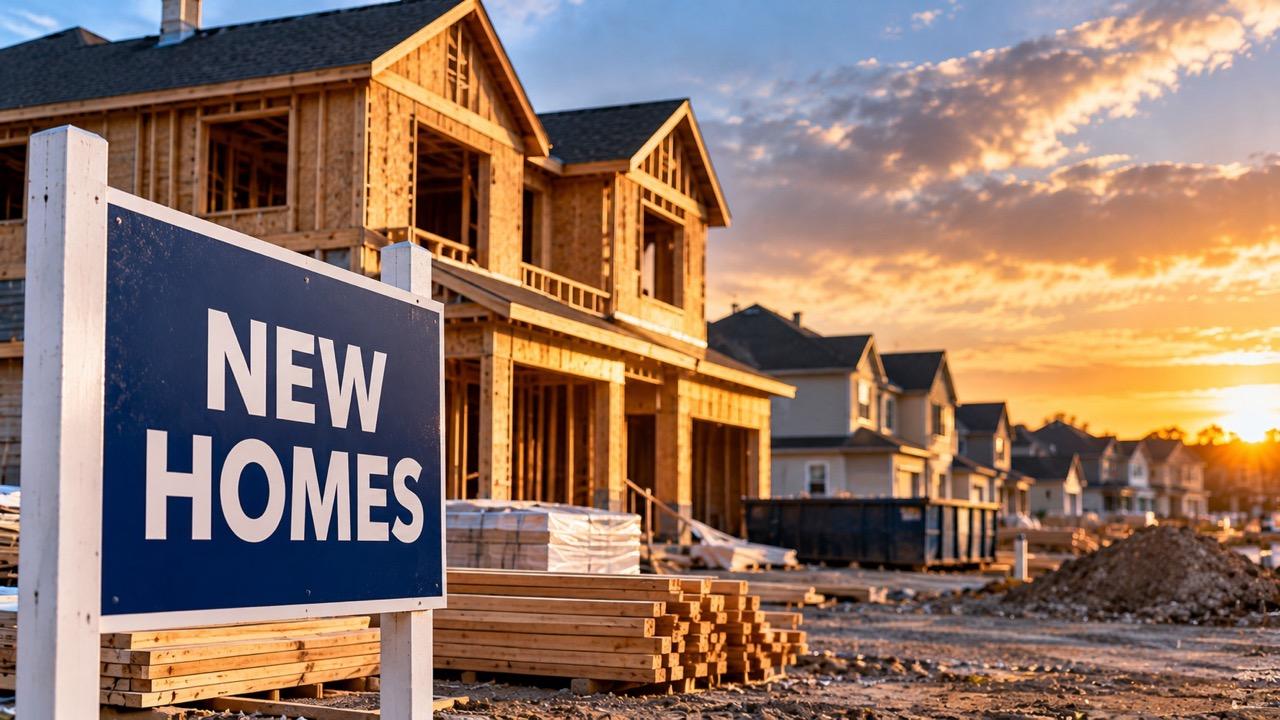
US homebuilder confidence fell to its lowest level in more than 14 years in October as mortgage rates above 7% weakened demand for new homes. The National Association of Home Builders/Wells Fargo Housing Market Index dropped three points to 29.
Builders are cutting prices and offering incentives to attract buyers. Higher construction costs and labor shortages are adding to pressure across the housing market.
High Mortgage Rates Drive Homebuilder Confidence Lower
US homebuilder sentiment slumped in October as expensive mortgages made it harder for buyers to afford new homes. The Bloomberg report highlighted the strain facing builders as sales remain depressed.
The NAHB/Wells Fargo Housing Market Index fell to 29 from 32 in September. The latest reading was the lowest since June 2012 and below economists’ forecast of 31, Reuters reported.
Mortgage costs are a major obstacle. Freddie Mac reported that the average 30-year fixed mortgage rate reached 7.40% in the week ending October 15. That compared with 6.27% a year earlier, increasing monthly payments for buyers financing the same home.
The impact extends beyond prospective homeowners. Builders face higher costs for construction loans and diesel. Prices for building materials have also risen, adding pressure to project budgets.
Labor shortages are another concern. Industry representatives said immigration enforcement activity had contributed to construction delays in some markets. These pressures make it harder for builders to keep projects on schedule while maintaining prices that buyers can afford.
The October survey also showed a decline in expectations for future sales. That suggests builders are not counting on a quick recovery in demand.
Homebuilders Cut Prices as Housing Affordability Worsens
With buyers holding back, more builders are using discounts to support sales. The share of builders cutting prices rose to 43% in October, the highest level recorded since 2020. The average reduction remained at 6% for the seventh consecutive month.
Sales incentives were also widespread. Some 65% of builders reported offering incentives, marking the 19th consecutive month that at least 60% had done so.
The survey’s current-sales measure fell two points to 33. Expectations for sales over the next six months dropped five points to 32. Prospective buyer traffic also declined five points to 18, its lowest reading since April 2012 outside the initial pandemic shock.
The figures point to a housing market squeezed by borrowing costs and limited affordability. Even when builders reduce prices, buyers must still qualify for mortgages at elevated rates. That can leave many households unable or unwilling to proceed with a purchase.
For investors following US markets and investment trends, the slowdown could affect homebuilders and companies supplying construction materials. Persistent weakness may also influence housing starts and future home supply if builders delay new projects.
The next major test will be whether mortgage rates ease enough to bring buyers back. Until financing becomes more affordable and construction costs stabilize, builders may continue relying on discounts and incentives to move unsold homes.