
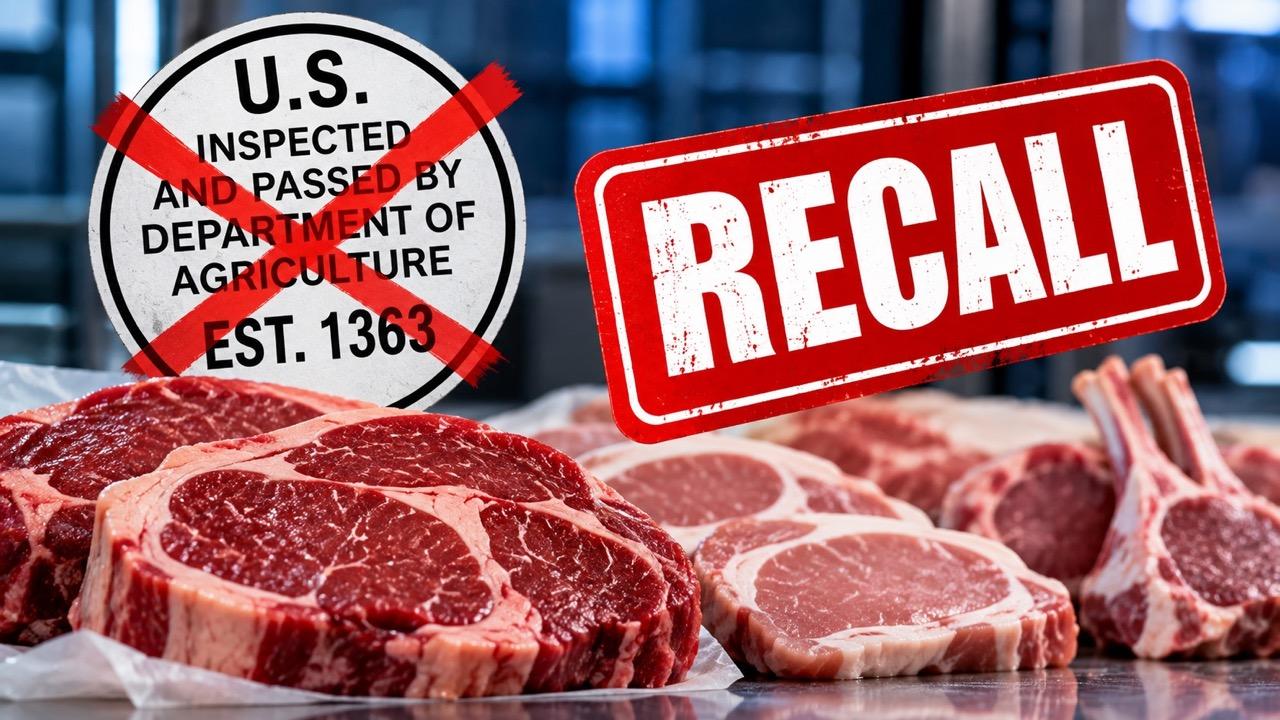
- Star Meat Delivery is recalling approximately 167,639 pounds of raw beef, pork, and goat products distributed nationwide after federal officials found the meat had been produced without federal inspection and carried a false USDA inspection mark.
More than 83 tons of raw meat have been pulled into a nationwide recall after the US Department of Agriculture's Food Safety and Inspection Service (FSIS) determined the products were made without the required federal inspection.
Star Meat Delivery Inc., based in Lucama, North Carolina, announced the recall on Sept. 22. The affected products include raw beef, pork and goat products distributed under the A&D Foods label to retailers and restaurants across the US.
The products carry a false USDA inspection mark showing establishment number “EST. 1363.” FSIS said that number does not have a federal grant of inspection, meaning the affected meat was not produced under the federal inspection process represented by the label.
The agency classified the recall as Class I, its highest risk category. FSIS said food produced without inspection may contain undeclared allergens, harmful bacteria, or other contaminants that could pose a health risk.
Consumers can find the official USDA recall notice and product information through the agency's recall database.
What Meat Is Included In The Recall?
The recall covers a broad range of raw meat products, including sliced ribeye, beef short ribs, beef feet, beef oxtail, pork chops, pork ribs, pork chorizo, ground pork, pork Boston butt, and multiple goat cuts. The products were produced on various dates before Sept. 22, according to FSIS.
The affected meat was vacuum-sealed and packed into cardboard boxes before being shipped to A&D Foods, a Georgia distributor that supplied retail and restaurant locations nationwide. FSIS said some consumer packages may not display the false inspection number because retailers may have applied their own labels showing pricing and safe-handling information.
That packaging issue could make the recall harder for consumers to identify by looking only at individual packages. The USDA therefore recommends checking the full recall information rather than relying solely on a consumer-facing store label.
There had been no confirmed reports of illness or injury linked to the recalled products as of the latest agency information. However, FSIS warned that consumers, retailers and restaurants should not eat, sell or serve the affected meat. Products should be discarded or returned to the place of purchase.
The USDA also said the recall could expand as its investigation continues, meaning consumers should check the agency's recall database for updates.
Why The False USDA Mark Is Significant
Federal inspection is intended to verify that meat and poultry products entering commerce meet applicable safety, wholesomeness and labeling requirements. In this case, FSIS said the products were produced without the benefit of that inspection while carrying a mark that represented otherwise.
The discovery came through FSIS surveillance activities. Food Safety News reported that the agency may update both the product list and available labels as additional information becomes available.
Star Meat Delivery has disputed the characterization of its inspection number as falsified. In a statement reported by the Associated Press, the company said the establishment number had been legitimately reserved during its USDA application process as it sought approval to process and package meat for the Georgia distributor. The company also said the meat itself had been sourced from a USDA-inspected supplier and that it was cooperating with authorities on the recall.
The USDA had not immediately responded to that statement in the AP report, so the company's explanation remains an attributed claim rather than a finding established by the federal agency. The recall itself, however, is active, and FSIS continues to identify the affected products as misbranded and unsafe to eat.
The episode also highlights why consumers should pay attention to food recall notices rather than assuming a product is safe because it carries familiar government-style labeling.
For consumers, the immediate issue is straightforward: do not consume recalled Star Meat Delivery products, including affected products that may have been repackaged by retailers. Anyone with questions about a recalled item should compare the product against the USDA's current recall information and follow the agency's disposal or return instructions.