
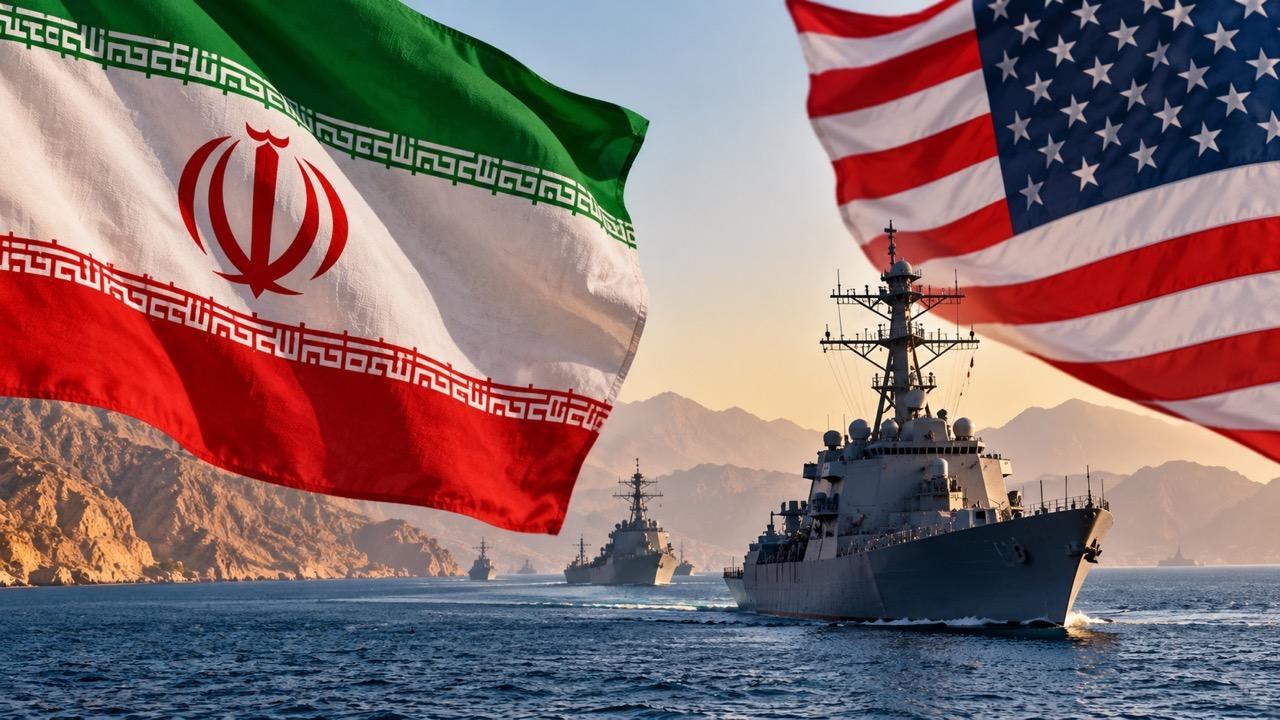
- Former US Defense Secretary Lloyd Austin has warned that the Iran war has no easy path to resolution, as damage to regional infrastructure, risks to shipping through the Strait of Hormuz and competing strategic objectives complicate efforts to end the conflict.
Former US Defense Secretary Lloyd Austin has warned that ending the conflict between the United States and Iran will be difficult, with military escalation and threats to critical shipping routes complicating the prospects for a diplomatic settlement.
In an interview published by Bloomberg, Austin said both Washington and Tehran believe they can withstand the other side, making a breakthrough more difficult. He also argued that the Gulf region is unlikely to return to its prewar condition because of infrastructure damage and continuing security risks.
The warning comes as the conflict creates uncertainty for energy markets and international trade. The Strait of Hormuz remains central to the economic consequences of the war because disruptions to the strategic waterway can affect global oil shipments, raise transportation costs and intensify concerns about energy supplies.
The potential effects extend to crude oil prices and global energy flows, with prolonged disruption threatening to keep risk premiums elevated. Even if military operations decline, restoring confidence among commercial shipping operators and repairing damaged infrastructure could take considerably longer.
Austin's assessment highlights the challenge facing policymakers trying to end the fighting without leaving unresolved security threats. A ceasefire would be an important step, but it would not automatically settle the strategic disagreements driving the conflict.
Strait of Hormuz Risks Complicate an Exit From the Iran War
The Strait of Hormuz is one of the world's most important energy chokepoints. Disruptions to traffic through the waterway can affect crude oil and fuel shipments, putting pressure on energy prices and increasing uncertainty for importers.
The conflict's consequences extend beyond shipping. Damage to infrastructure across the Gulf could affect energy production, transportation and wider economic activity. Austin's comments suggest that a reduction in fighting would not necessarily restore the region's previous security environment.
The situation also presents a diplomatic problem because Washington and Tehran have different objectives and assessments of their ability to sustain the conflict. If both governments believe they can outlast the other, each may have less incentive to compromise quickly.
The economic consequences are already a concern for investors monitoring oil-price volatility. Energy prices influence transportation, manufacturing and household costs, while sustained increases can feed into inflation and complicate central-bank decisions about interest rates.
A prolonged disruption to energy shipments could therefore affect markets well beyond the Middle East. Higher fuel costs can squeeze corporate margins and consumer spending, while renewed uncertainty can weigh on investor confidence. The relationship between rising bond yields and stock-market performance is another consideration when geopolitical shocks contribute to inflation concerns.
Diplomatic progress should not be assumed. Negotiations can stall over the sequencing of concessions, security guarantees and the terms governing maritime access. Even an agreement on immediate military de-escalation may leave longer-term disputes unresolved.
Any credible arrangement that restores reliable passage through Hormuz could ease supply concerns. Renewed attacks, however, or a breakdown in negotiations could increase the risk premium attached to crude prices.
Austin Questions Whether Russian Diesel Supplies Would Lower Fuel Prices
Austin also expressed skepticism about a proposal involving Russian diesel supplies, arguing that such an arrangement would not be enough to meaningfully reduce fuel prices. Fuel prices depend on more than the availability of a particular product. Crude oil prices, refining capacity, transportation costs, insurance premiums, regional inventories and geopolitical risk all influence what consumers ultimately pay.
Additional diesel supplies could help specific markets under certain conditions, but they would not automatically resolve disruptions affecting crude production or shipping. If uncertainty surrounding the Strait of Hormuz persists, the resulting risks could continue to influence energy prices even if alternative fuel supplies become available.
Austin also warned that an arrangement benefiting Russian energy exports could help Moscow sustain its war in Ukraine. That creates a separate geopolitical consideration for Washington as it weighs energy-market pressures against its broader foreign-policy objectives.
The issue illustrates how the Iran conflict can influence decisions beyond the Middle East. Energy policy, sanctions, military strategy and support for Ukraine are interconnected, and steps intended to ease one pressure can create trade-offs elsewhere.
For investors, the key question is whether diplomatic efforts can reduce threats to regional shipping and prevent further damage to energy infrastructure. A durable resolution could ease some uncertainty facing oil buyers and financial markets, while continued confrontation could prolong volatility.
The economic stakes also extend to inflation expectations and borrowing costs. If energy disruptions keep prices elevated, investors may reassess the outlook for interest rates and the sectors most exposed to higher operating expenses.
Austin's assessment is a warning about the difficulty of ending the conflict, not a timetable for how long it will last. The path forward will depend on decisions by Washington and Tehran, the security situation across the Gulf and whether diplomatic efforts can produce an agreement both sides are willing to uphold.