
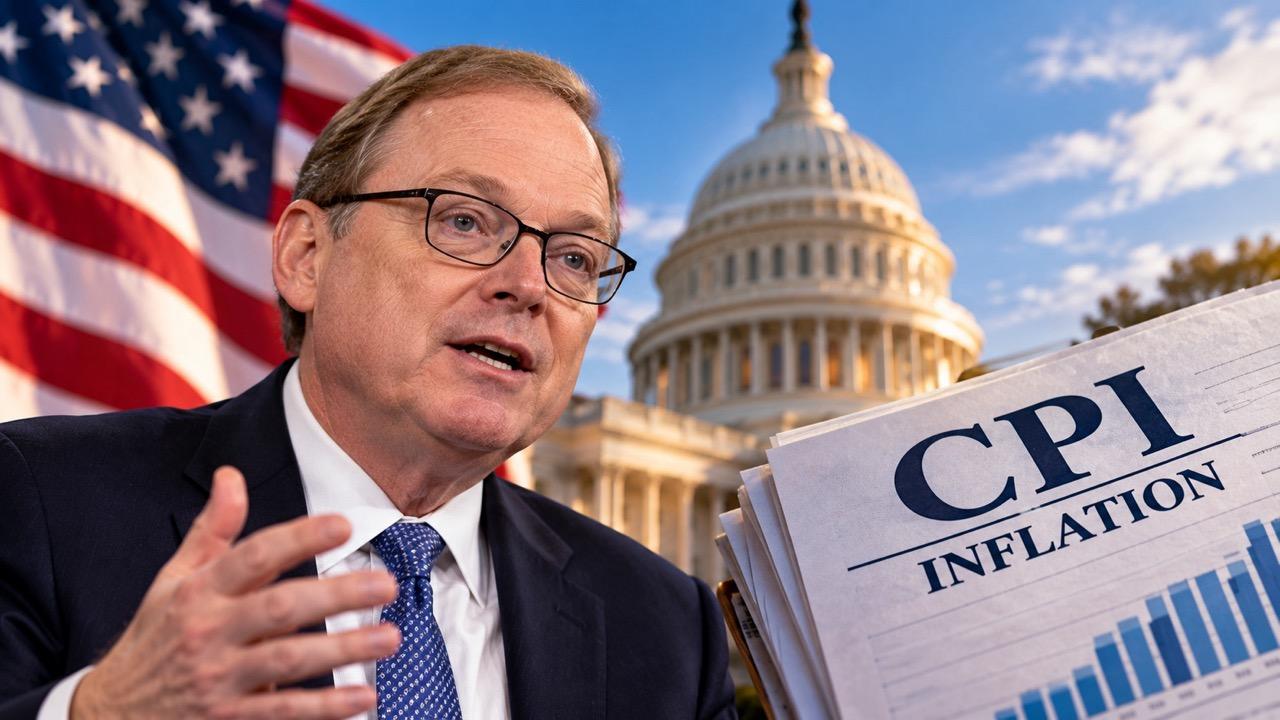
White House economic adviser Kevin Hassett said US inflation still needs more work after consumer prices accelerated in September, even as he pointed to signs of strength in the economy. The comments follow a hotter-than-expected inflation report that has complicated the outlook for Federal Reserve interest rates.
Kevin Hassett, director of the White House National Economic Council, said inflation remains a concern despite what he described as a strong trajectory for the US economy. His remarks, reported by Bloomberg, came after the latest Consumer Price Index (CPI) report showed prices rising faster than in August.
The US Bureau of Labor Statistics reported that the CPI increased 3.7% over the 12 months through September, up from 3.4% in August. Prices rose 0.6% on a seasonally adjusted monthly basis, while core CPI, which excludes food and energy, increased 2.6% over the year.
The report intensified debate over whether inflation is easing sufficiently for the Federal Reserve to lower interest rates or whether policymakers may need to maintain restrictive conditions for longer.
September Inflation Data Put the Fed Rate Outlook Under Scrutiny
Energy prices were a major contributor to September’s inflation increase. Gasoline prices climbed 9.1% during the month, accounting for more than half of the monthly rise in the overall CPI. The broader energy index increased 5.2%, while food prices were unchanged.
Hassett has argued that the energy shock may prove temporary. In comments reported by MarketWatch, he urged the Federal Reserve to wait for further data before deciding whether the latest increase justified an interest-rate hike, citing the possibility of seasonal distortions and the impact of the energy-price spike.
The distinction matters because higher interest rates can help restrain demand and inflation, but they also increase borrowing costs for households and businesses. Investors have been watching Treasury yields and market expectations for the Fed’s next decision for signs of how policymakers might respond.
The September report also showed that shelter costs rose 0.4% during the month, while the energy index was up 20.4% over the year. Those figures suggest that inflation pressures extend beyond a single headline reading, even though some categories, including food, showed little monthly change.
Hassett Points to Economic Strength as Inflation Remains a Concern
Hassett has also highlighted signs of resilience in the US economy, including discretionary travel demand, which he described as an indication that consumers remain willing to spend. Strong demand can support economic growth, but it can also make it more difficult to bring inflation down if spending continues to outpace supply.
That creates a challenge for policymakers. If inflation remains elevated, the Fed may have less room to cut rates. If officials tighten policy too aggressively, however, they risk weakening hiring, investment and consumer activity.
The outlook is particularly important for financial markets. Higher yields can put pressure on growth stocks and other assets whose valuations depend on future earnings, while changing rate expectations can affect the dollar, bond prices and gold. Investors tracking gold prices and real interest rates will be watching how inflation data influences expectations for monetary policy.
Hassett’s remarks do not determine the Fed’s decision. The central bank sets policy independently and will assess a broader range of economic indicators, including future inflation readings, employment conditions and consumer demand.
The next inflation reports will help establish whether September represented a temporary energy-driven jump or a more persistent setback in the effort to slow price growth. Until more data arrive, the combination of resilient demand and inflation above the Fed’s target leaves the interest-rate outlook uncertain.