
- The S&P 500’s record-setting rally is masking weakness across much of the US stock market, as AI-linked companies drive index gains while more than 40% of its constituents have fallen this year.
The benchmark index has gained about 14% in 2026, putting it on track for a fourth consecutive year of annual gains. Yet a Reuters analysis of S&P 500 performance published on October 12 found that more than 200 companies in the index were lower for the year, while the median constituent had gained only around 4%.
The divergence highlights a central feature of the current market: the S&P 500 is weighted by market capitalization, so its largest companies have a disproportionate influence on its performance. When a small group of mega-cap stocks rises sharply, the index can reach new highs even if many other companies lose value.
The rally has been supported largely by companies benefiting from artificial intelligence investment, particularly semiconductor manufacturers and businesses supplying computing infrastructure. That concentration has left investors facing two different pictures of the market — a record-setting benchmark and a much less convincing performance among its typical constituents.
AI Chipmakers and Mega-Cap Stocks Are Driving the Rally
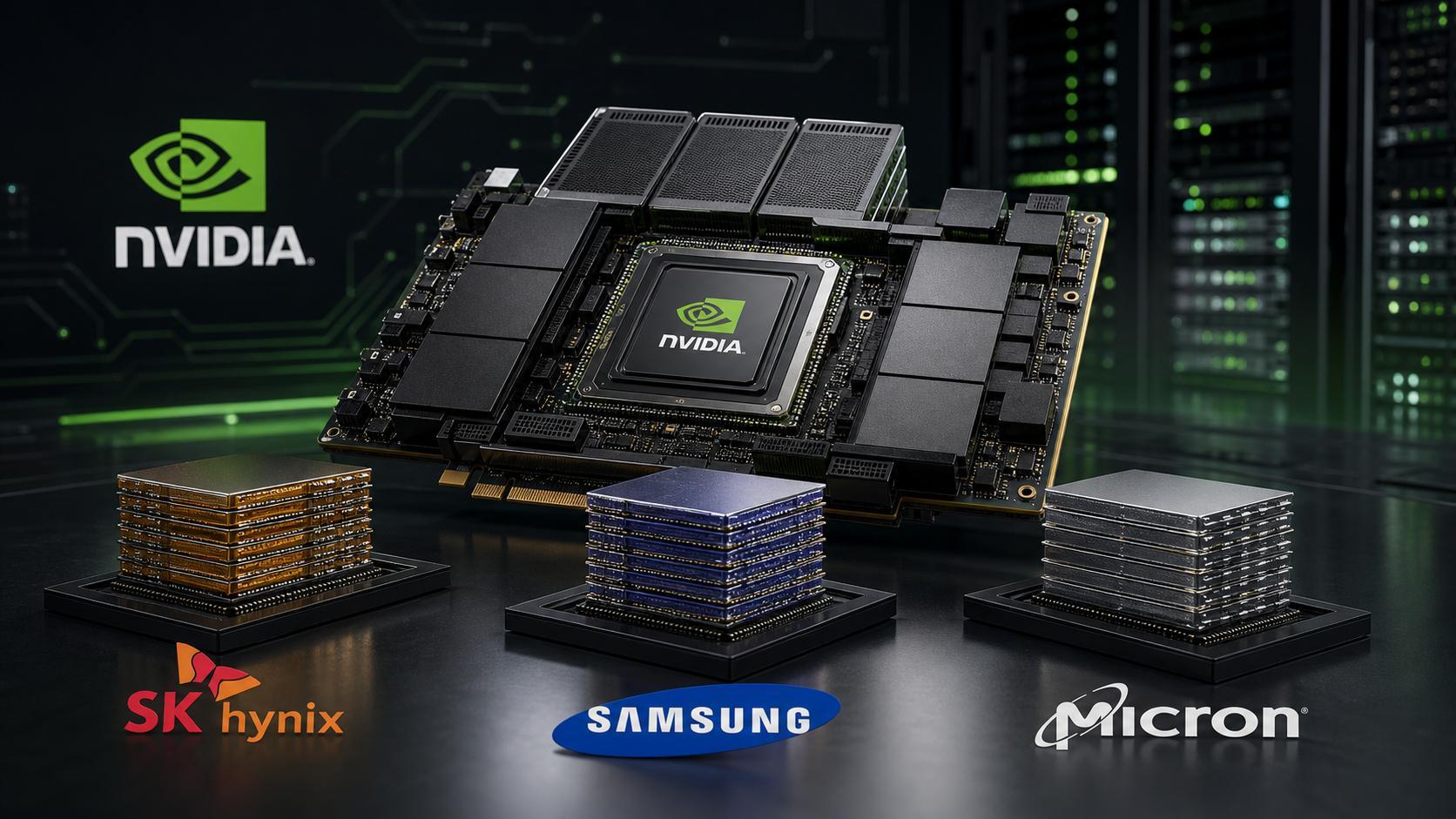
Semiconductor companies have been among the strongest performers this year. SanDisk Corp. (NASDAQ: SNDK) and Micron Technology Inc. (NASDAQ: MU) have more than tripled in 2026, Reuters reported, as demand for memory chips and AI infrastructure has supported their shares.
NVIDIA Corp. (NASDAQ: NVDA) has also contributed significantly to the benchmark’s gains. Reuters estimated that Nvidia alone accounted for nearly two percentage points of the S&P 500’s advance this year. Apple Inc. (NASDAQ: AAPL), Micron and Advanced Micro Devices Inc. (NASDAQ: AMD) each contributed more than one percentage point.
The performance reflects investor expectations that companies building AI models and data centers will continue spending heavily on processors, memory and related equipment. Strong earnings growth from parts of the technology sector has reinforced those expectations, helping the largest companies offset weakness elsewhere.
The broader semiconductor earnings boom has therefore become a major driver of overall market performance. But strength in chipmakers does not necessarily translate into similar gains for retailers, industrial companies, financial institutions or other sectors.
Tesla Inc. (NASDAQ: TSLA), for example, has fallen about 15% this year, subtracting roughly 0.3 percentage points from the S&P 500’s return, according to Reuters. Its performance illustrates how individual stocks can move against the benchmark even as the index continues to rise.
Sector performance also shows how concentrated the rally has become. Eight of the S&P 500’s 11 sectors were higher for the year in Reuters’ analysis, led by energy, up 42%, and technology, up 32%. Technology’s much larger weighting meant it contributed more than 10 percentage points to the index’s gain, while energy contributed less than one percentage point.
Investors have also continued to favor large companies perceived to be better positioned to withstand higher interest rates and an uncertain economic outlook. This has helped reinforce the market’s focus on a limited group of AI-linked leaders rather than spreading gains evenly across the index.
Higher Interest Rates and Weak Market Breadth Raise Questions
Rising interest rates have added pressure to companies outside the leading technology and energy groups. The Federal Reserve raised its benchmark rate in September, and expectations of further increases have contributed to higher borrowing costs and concerns about economic growth.
Higher rates can make financing more expensive for businesses and households, while increasing the relative appeal of bonds compared with stocks. Companies in capital-intensive industries, real estate and consumer-facing sectors can be particularly sensitive to financing costs and weaker demand.
The effect on share prices can extend beyond immediate earnings. Higher Treasury yields can reduce the present value investors assign to future profits, a factor that can weigh on valuations. The relationship is especially relevant for growth stocks, but it also affects dividend-paying shares and other investments that compete with fixed-income returns. Wealthier Today’s coverage of rising bond yields and stock valuations examines how that relationship can shape equity-market performance.
Market breadth offers another warning sign. Breadth measures how many stocks participate in a market advance rather than simply tracking the index’s overall return. Reuters found that fewer than half of current S&P 500 constituents were trading above their 200-day moving averages, suggesting that the uptrend is not broadly shared.
A narrow rally does not automatically mean the market is about to fall. Strong performance from large companies can sustain an index for an extended period, and weaker stocks may recover if earnings improve or interest-rate pressures ease. However, concentration can leave the benchmark more exposed if its biggest contributors suffer a setback.
Investors will be watching upcoming earnings reports for evidence that profit growth is spreading beyond AI-related companies. Strong results and improving forecasts across more sectors could help broaden participation. If earnings remain concentrated among a small number of technology leaders, the index may continue to look healthier than the average stock.
For investors, the current divide reinforces the importance of looking beyond headline index levels. The S&P 500’s record performance reflects substantial gains among its largest constituents, but it does not mean every sector or company is benefiting from the rally. The durability of the advance will depend in part on whether more companies begin to participate and whether higher interest rates continue to pressure the wider market.