
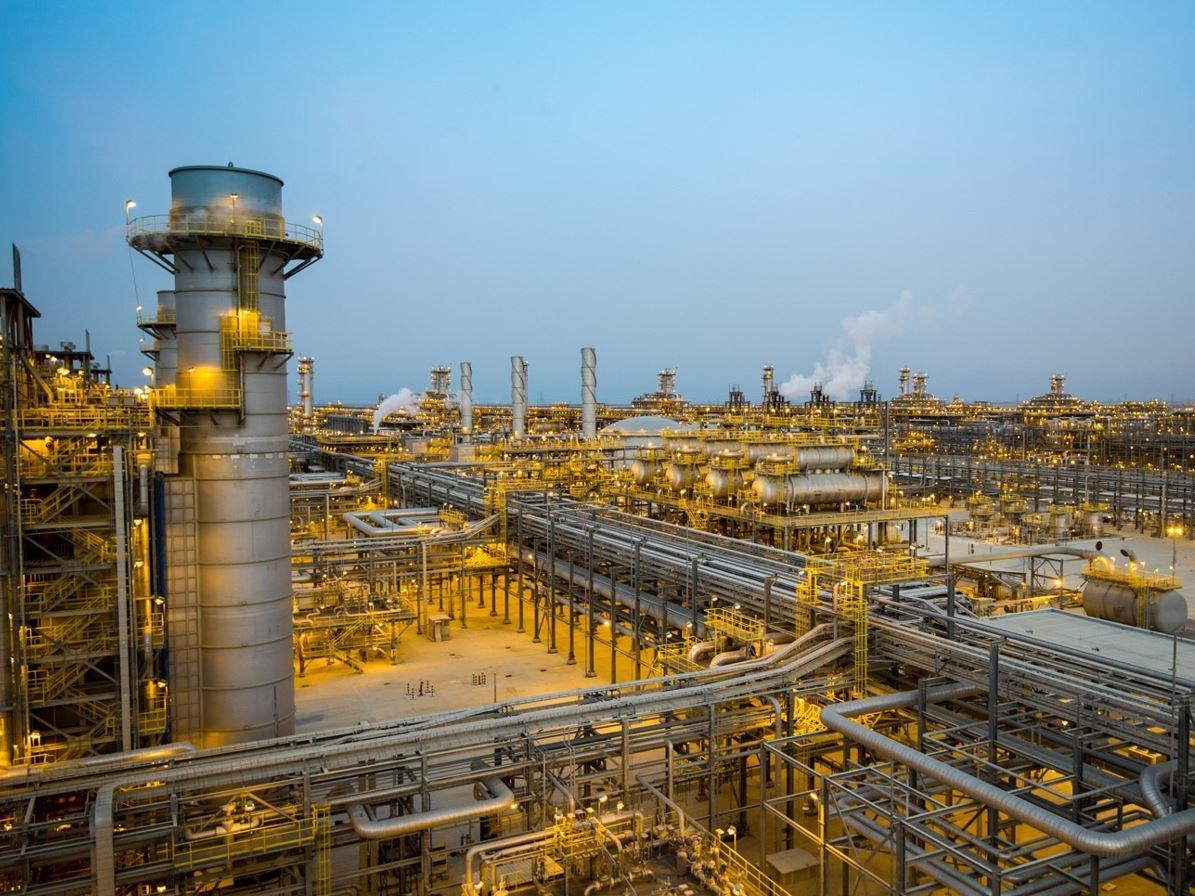
- Saudi Aramco shares declined on Monday as a second attack on Riyadh’s international airport in two days heightened concerns about regional security, despite modest gains across several other Gulf stock markets.
Saudi Arabian Oil Co. (Saudi Aramco, 2222.SE) fell 0.3% on Monday, October 12, while Saudi Arabia’s benchmark stock index dropped 0.6%, according to Reuters’ report on Gulf market trading. The latest attack occurred on Sunday, killing one person and injuring 11 others, Saudi authorities said. It followed a strike on Saturday that killed 12 people and wounded more than 300 at King Khalid International Airport, according to reports from Saudi civil aviation authorities.
The attacks have intensified concerns about the potential for the conflict involving Saudi Arabia and Yemen’s Iran-aligned Houthi movement to escalate further. Investors are also monitoring the implications for energy infrastructure, commercial aviation and shipping routes across the region.
The market reaction came as other Gulf exchanges showed modest gains. Dubai’s main index rose 0.1%, Abu Dhabi’s benchmark added 0.1%, and Qatar’s index advanced 0.5% in Monday trading, Reuters reported.
Riyadh Airport Attacks Weigh on Saudi Stocks
The latest decline in Aramco shares reflects broader investor caution as security risks increase across the Gulf. Saudi Arabia’s benchmark index also fell, with Al Rajhi Bank shares down 0.6%. The attacks have disrupted activity in Riyadh beyond the financial markets. The airport remained closed following the strikes, while international airlines adjusted services and travel plans. The security situation also affected attendance at the World Petroleum Council Energy Congress, which began in Riyadh despite the attacks.
Several major oil company executives were removed from the conference schedule, including representatives from Exxon Mobil Corp. (NYSE: XOM), Chevron Corp. (NYSE: CVX), Shell plc (NYSE: SHEL), TotalEnergies SE (NYSE: TTE) and BP plc (NYSE: BP). Reuters reported that BP’s chief executive would not attend because of travel disruption.
Saudi authorities proceeded with the five-day energy conference at a venue about 10 kilometers from the airport. The event is a significant gathering for the oil industry, with executives and government officials scheduled to discuss energy policy, supply security and the sector’s outlook.
The attacks have also raised questions about Saudi Arabia’s broader economic diversification plans. Hosting international conferences and attracting foreign investment are important elements of Vision 2030, the kingdom’s strategy to expand economic activity beyond oil.
Oil Supply Risks Keep Investors Focused on the Gulf
The security situation is also influencing energy markets. Brent crude briefly climbed above $105.50 a barrel following the latest airport attacks before retreating as traders weighed geopolitical risks against the prospect of additional diesel supplies from Russia. December Brent futures were recently down 0.2% at $104.53 a barrel, while US West Texas Intermediate crude fell 0.4% to $90.69, according to The Wall Street Journal’s oil market report.
The airport attacks have occurred alongside continued threats to commercial shipping near Oman and the Strait of Hormuz, a vital route for global oil and fuel shipments. Any sustained disruption to tanker traffic could affect energy prices, shipping costs and the availability of crude for international buyers.
Saudi Aramco’s share price may respond to both the security situation and changes in crude prices. Higher oil prices can support the revenue outlook for producers, but geopolitical uncertainty can also weigh on equity valuations by increasing perceived risk.
The relationship between oil prices and supply conditions is not straightforward. Recent changes in Gulf oil flows illustrate why recovering export volumes do not necessarily mean transportation and logistics have returned to normal. Meanwhile, oil price movements during periods of geopolitical uncertainty show how quickly markets can reverse when traders reassess supply risks.
For now, Monday’s decline in Aramco shares came amid heightened security concerns rather than a company-specific earnings announcement. Investors will be watching for further developments involving Riyadh airport, Saudi energy infrastructure and regional shipping routes to assess whether the latest attacks have lasting consequences for Gulf markets.