
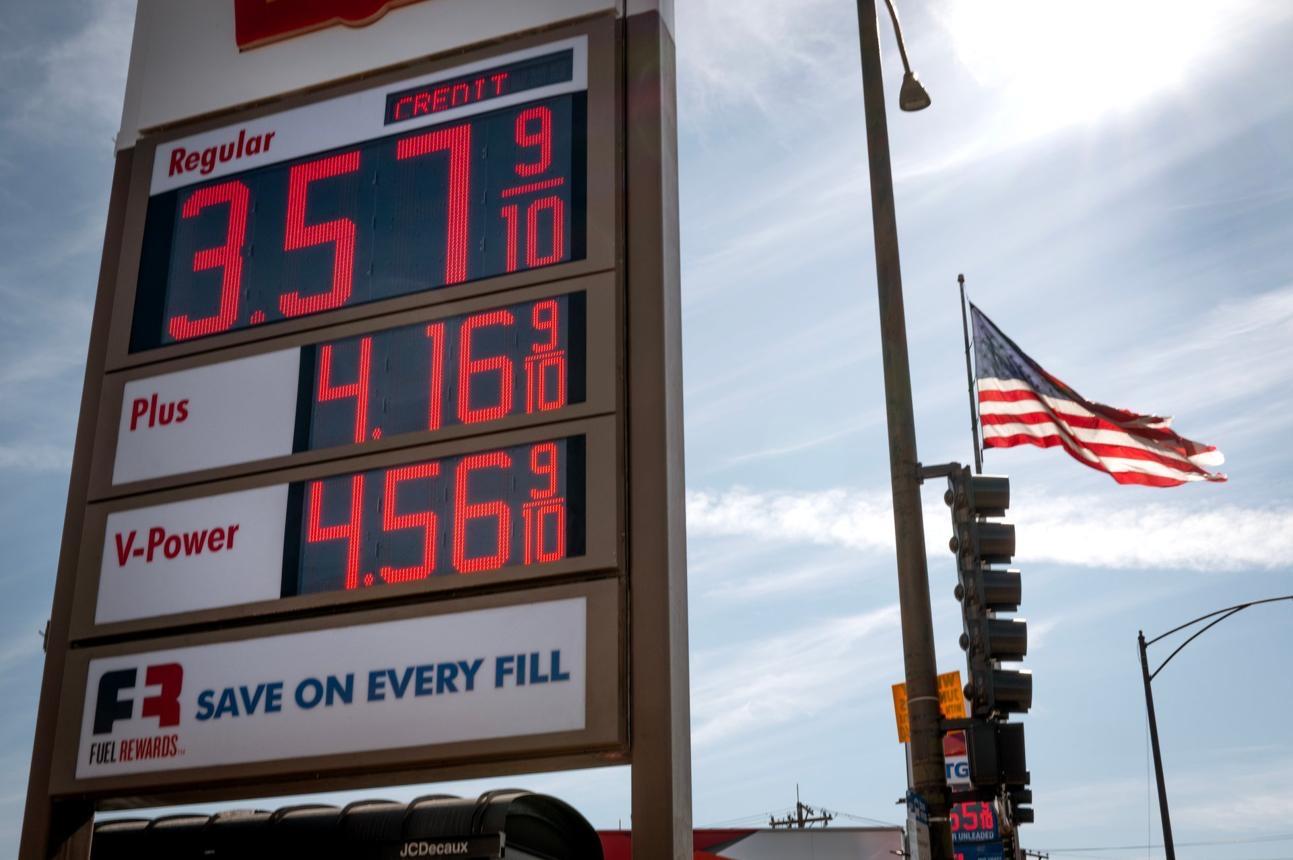
Oil and gas prices are both moving lower after tensions in the Middle East began to ease, but the size and speed of the decline have left industry stakeholders with the same question: how much higher can the pump actually go? Brent crude, the global benchmark, has fallen roughly 30% over the past three months, as the Strait of Hormuz reopens and supply flows normalize. On July 3, Brent was trading just above $72 a barrel, down from peaks above $126 earlier in the year, while U.S. crude has also pulled back from its recent highs.
What The Oil Decline Means For Gas Prices
The move in oil matters because crude still sets the direction for gasoline costs even when the pass-through is delayed or incomplete. AAA said on July 2 that the U.S. national average for regular gasoline had fallen to $3.83 a gallon, down nearly $0.50 (50 cents) from a month earlier, after crude slid into the low-$70 range. The EIA has also shown retail gasoline prices easing week by week across most regions.
For households, that is real relief, and for markets, it is a signal that the war premium built into crude prices is fading. However, this does not mean it is a clean return to pre-shock pricing, and the direction from here still depends on supply discipline from producers, demand trends into late summer, and whether shipping routes stay open.
The latest oil selloff does look dramatic, but it helps to view it across several time windows as shown below:
- One week: The EIA showed the U.S. average regular gasoline price at $3.831 for the week of June 29, down from $3.914 the prior week, showing a decline of about 2.1%.
- One month: AAA said U.S. retail gasoline averaged $3.83 a gallon on July 2, down from $4.29 one month earlier, a drop of about 10.7%.
- Three months: Brent prices are down about 30% from their recent peak, according to the market data.
- One year: AAA’s July 2 national average was still above the year-ago level of $3.17. So gas prices remain higher than they were 12 months earlier, even after the recent easing.
- Year to date: Brent is still well above the sub-$60 levels seen earlier in the year, meaning the market has retraced part of its earlier war-driven spike but has not fully normalized.
This full mixed picture is important because a three-month drop of 30% usually sounds like a collapse, and it is. But gas prices do not always mirror crude in a perfect 1-to-1 way because refineries, distribution costs, taxes, and regional fuel rules also affect the final pump price.
The EIA’s gasoline breakdown shows crude oil still accounts for the largest share of the cost of a gallon, but not the whole amount. That means a lower crude market should eventually help motorists, though the timing can vary by region. Therefore, there will be a decline in gas prices as already stated, but it may not be as substantial as expected.
What’s Driving The Oil Decline?
A big reason oil prices have fallen is that the supply shock is unwinding and falling back to the level of demand. In light of this, some analysts have cut 2026 oil price forecasts after the reopening of the Strait of Hormuz eased fears of prolonged disruptions. Citigroup has predicted that Brent could head toward the low-$60s by year-end if shipping normalizes and inventories stay loose.
The IEA has also described the oil market as highly volatile, with demand dropping in some sectors and supply rebuilding as flows resume. In its June reporting, the agency said global supply and demand balances were shifting again as Gulf exports recovered and inventories were drawn down.
For investors who want to track how the oil and gas prices could perform, pay attention to these factors: crude supply, refinery utilization, and global demand. If supply keeps recovering and demand cools, oil prices could remain under pressure. If geopolitical risk returns, the rebound could be fast.
The most immediate question is how much more the gas pump price can fall before summer travel peaks. AAA’s July 2 update shows the national average already near the mid-$3 range, and the EIA data suggests the weekly trend is still down. If crude remains around current levels, then many analysts would expect more modest declines rather than a sudden plunge.
Regionally, the difference can be substantial. The West Coast states remain much more expensive than the Gulf Coast markets due to refinery constraints, fuel specs, and logistics. That means even though the national average can improve, many households may still feel stuck with high local fuel bills.