
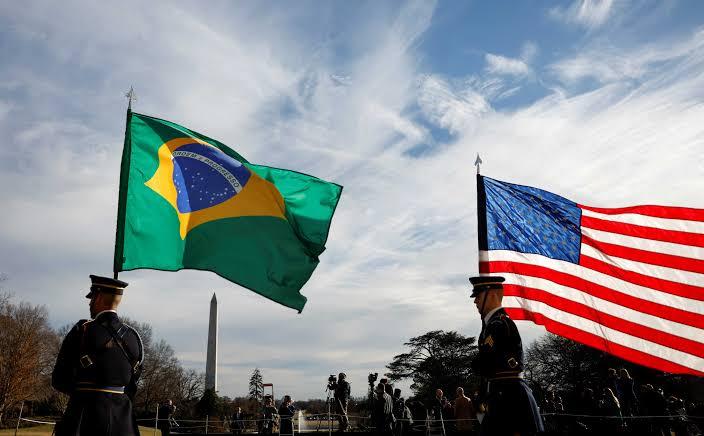
Brazil has opened a formal process that could lead to retaliatory measures against the US after Washington imposed new tariffs on Brazilian goods, adding another layer of tension to an increasingly strained relationship between the two countries.
The Brazilian government said Thursday that it had requested further diplomatic consultations with US trade authorities as it considers whether to invoke its Reciprocity Law, according to a Reuters report.
The move comes after the US imposed a new 25% tariff on some Brazilian goods in July, citing what Washington described as unfair trade practices. Brazil is also facing a separate 12.5% levy tied to US concerns over enforcement of forced-labor restrictions.
Brazilian officials have criticized the measures as unjustified and arbitrary, while President Luiz Inacio Lula da Silva's government has warned that it will take steps to protect the country's interests.
Brazil Considers Retaliation Beyond Tariffs
Brazil's Reciprocity Law gives the government options that go beyond simply matching US import duties. That is significant because Brasilia could target areas of the US economy that have little connection to the products directly affected by Washington's tariffs.
Brazilian officials are considering measures that could affect US audiovisual companies, while another option under review involves suspending certain pharmaceutical and agricultural patents, Reuters reported.
The government has not yet announced that any of those measures will be implemented. Thursday's action represents a preliminary step that allows Brazil to seek additional consultations before deciding how to respond.
That distinction matters for businesses and investors. The immediate development is not a new Brazilian tariff on US imports, but the beginning of a process that could eventually produce broader trade restrictions.
Why the US Tariffs Are a Problem for Brazil
The tariffs threaten to raise costs for Brazilian exporters selling into the US market. When Washington announced the new measures in July, Brazil estimated that the tariffs would affect 23.1% of its exports, with 16.5% facing combined duties of 37.5%.
The impact will vary significantly across industries because some Brazilian products received exemptions from the new 25% duties. The July tariff order excluded products including beef, coffee and aircraft, according to Reuters, limiting the immediate impact on some of Brazil's major exports to the US.
Even so, Brazilian officials are concerned that tariffs could disrupt supply chains and add to domestic inflation by making it harder for exporters and producers to adjust to the new trade environment.
Lula Had Already Threatened a Response
The latest move follows Lula's pledge in July to use whatever measures were necessary under Brazil's Reciprocity Law. The law gives the government a broader range of tools than conventional tariff retaliation. That makes the current dispute more complicated than a simple exchange of import duties.
Brazil's government has emphasized that it intends to defend its position through what it described as appropriate forums while continuing diplomatic discussions with Washington. The decision to begin consultations suggests Brasilia is keeping negotiations open even as it prepares for the possibility that talks fail.
US-Brazil Relations Are Becoming More Difficult
The tariff dispute is unfolding against a broader deterioration in relations between Washington and Brasilia. Diplomatic tensions have increased in recent weeks, adding political friction to an already difficult trade relationship.
That makes the economic dispute harder to isolate. A disagreement that initially centered on tariffs could now spread into other areas of commercial relations if either side moves ahead with additional measures.
For companies operating in both countries, the biggest concern may therefore be uncertainty rather than the initial tariff rates themselves. Businesses have to consider whether the dispute will remain limited to selected goods or develop into a broader confrontation involving services, intellectual property and other areas of commerce.
What Brazil Could Do Next
The next step is diplomatic consultation with US trade authorities. Brazil can use that process to challenge the tariffs and attempt to negotiate changes before moving toward retaliation. If those talks fail, the Reciprocity Law could provide the government with a path toward countermeasures.
That does not mean Brazil will necessarily impose all of the measures under consideration. The government will have to weigh the potential benefits of retaliation against the risk of making Brazilian companies and consumers pay higher costs.
For now, the opening of the process sends a clear message to Washington: Brazil is preparing to respond if the tariffs remain in place.
What This Means for Investors
The dispute creates another source of uncertainty for companies with significant exposure to Brazilian exports or the US market.
Brazilian exporters could face weaker demand if higher US import costs make their products less competitive. US companies operating in Brazil could also face new restrictions if Brasilia chooses to retaliate beyond tariffs.
The potential impact on inflation is another issue to watch. If tariffs disrupt supply chains or force Brazilian producers to redirect goods to other markets, some companies could face higher operating costs.
The dispute could therefore become important for investors well beyond the companies directly targeted by the initial US tariffs.
The Bottom Line
Brazil has not yet imposed retaliatory measures against the US. Instead, the government has opened a process that could eventually lead to action under its Reciprocity Law. That gives both countries another opportunity to negotiate before the dispute escalates.
But with Washington's new tariffs already affecting a significant portion of Brazilian exports and Brasilia considering measures that could reach beyond goods, the risk of a broader US-Brazil trade confrontation is increasing.
For investors, the next major signal will be whether diplomatic consultations produce a compromise or whether Brazil moves toward the retaliatory measures it has put on the table.