
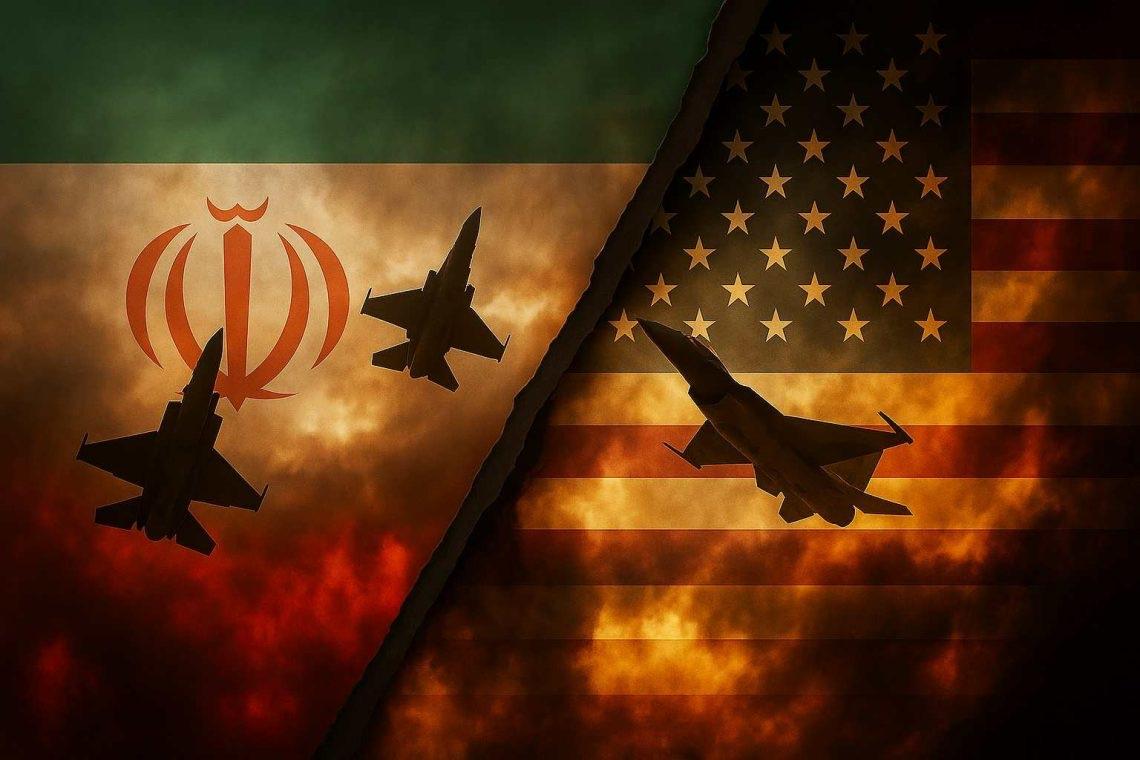
US-Iran tensions have eased lately, but they have done more than just disrupt the oil markets. According to one market expert, the war actually exposed a structural weakness in the Gulf business model, where security, shipping, and investor confidence matter as much as oil barrel production counts.
One of the takeaways from the 2026 conflict is that the region’s most important wealth engines are no longer protected by geography alone. A market shock such as this once might have been treated as a temporary supply disruption. However, it quickly became a test of the fiscal resilience of the region, bringing transport redundancy and sovereign credibility into question.
US-Iran And The New Risk Premium
The main argument now being made by analysts watching the post-war agreement is how exposed the weaknesses in the Gulf. In a June 20 opinion piece, MoneyWeek argued that the crisis has shown the Gulf states’ power is not as durable as many previously assumed. It has now come to light that any disruptions in the Strait of Hormuz can affect export flows, government budgets, and cross-border investment all at the same time. Other experts have also shared this view, with coverage from The National highlighting the same weaknesses that affect the speed at which cargoes, prices of products, and the inventories all started moving again once the conflict eased.
The International Energy Agency has also repeatedly warned that the Strait of Hormuz remains one of the world’s most critical energy chokepoints. But even so, the episode showed how quickly the market can move when US-Iran escalation threatens transit lanes that carry a huge share of seaborne oil and LNG. This is because when shipping becomes uncertain, insurers raise premiums, refiners widen margins, and buyers pay up for redundancy. The effect can ripple far beyond the crude curve since fuel costs can influence things such as transportation and food distribution, while higher geopolitical risk can also put pressure on bonds and real estate.
The Gulf states have long marketed themselves as reliable hubs for trade, finance, and capital recycling. But the war showed that the hub model depends on more than high reserves. It depends on uninterrupted access and credible defenses, as well as the confidence that money can move safely to and fro. There is also a fiscal angle here because when export routes are threatened, governments may lean more heavily on their reserves, or domestic borrowing, or even sovereign wealth funds. While a move like this can actually preserve stability in the short term, it may also reduce the firepower available for overseas investing and domestic diversification.
Oil, Gulf Finances, And What Impacts Are Expected
The second-order effect from an impactful event, such as the US-Iran Oil War, is where the weakness becomes more visible. For one, if oil prices remain volatile, economies in the Gulf may face a harder trade-off between major investment spending. Any slowdown in this regard could affect private equity, real estate, infrastructure, and venture capital funding.
A major example of this is the Brent Oil price, which swung sharply during the conflict, but the market also learned that it can adjust to reduce the impact of some of the immediate damage. This simply shows that the world can adjust around conflicts like the one that plagued the Strait of Hormuz. However, such a move comes at great cost, and sometimes the pain is simply delayed, not eliminated.
For a broader explanation on how to move around events like these, read our guides to risk and reward, global crypto and markets, and investing basics.
Market activity
Crude Oil Brent Cash
Market data and charting provided by TradingView. Data may be delayed depending on exchange availability.