
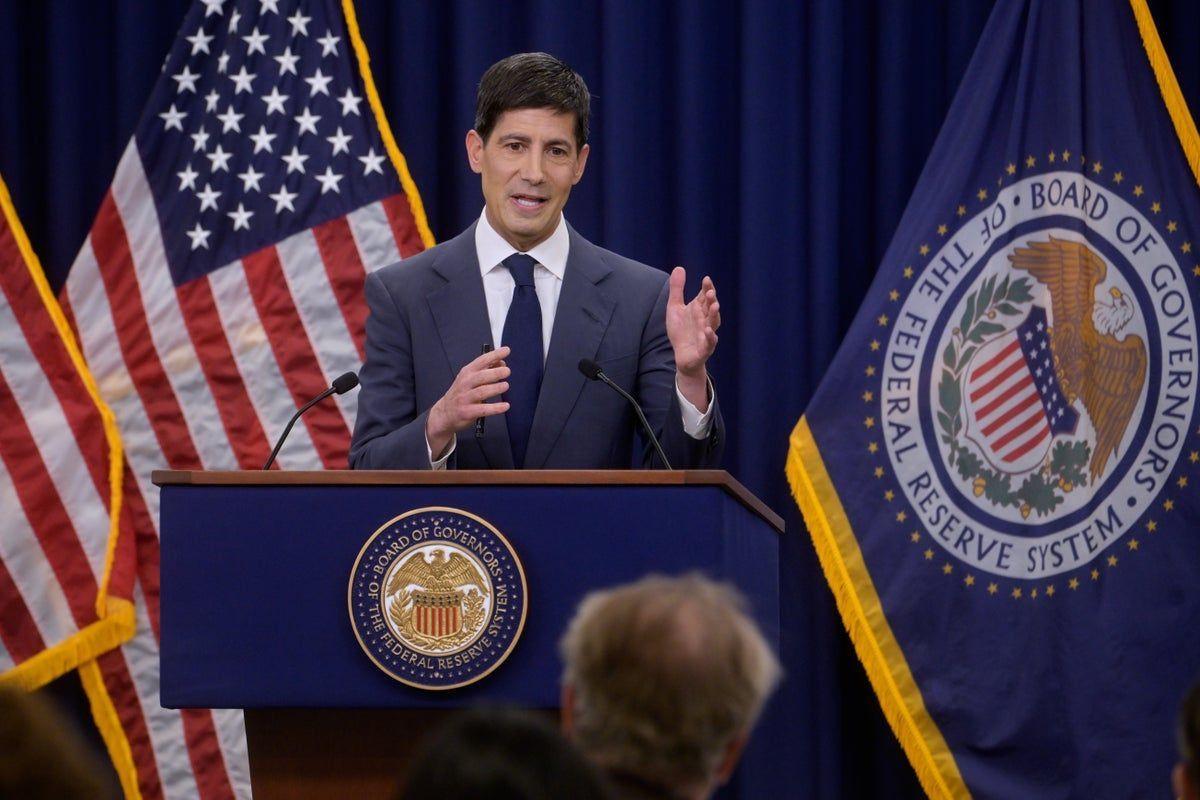
The Fed chairman has once again become the center of attention after a six-word statement sent the stock market into reassessment mode. During his first weeks leading the Federal Reserve, Kevin Warsh has signaled that the central bank is moving away from years of detailed forward guidance that investors had come to rely on. Instead of telegraphing future policy decisions months in advance, the new Fed chairman essentially wants financial markets to respond to incoming economic data rather than Federal Reserve forecasts.
Fed Chairman Signals End Of Predictable Monetary Policy
The six words drawing the most attention from the Fed chairman’s speech are "The Committee will deliver price stability." While the statement appears straightforward, it could represent one of the strongest commitments yet to prioritizing inflation control over supporting financial markets through easier monetary policy. This could mean that interest rates could remain elevated for longer or the Fed could even raise rates further if inflation fails to subside.
Speaking after the June Federal Open Market Committee meeting, the Fed chairman argued that financial markets should help inform policymakers rather than merely reacting to guidance issued by the central bank. By reducing advance signaling, he hopes markets will provide a more accurate reflection of investor expectations regarding inflation, growth, and financial conditions.
The six-word statement has, therefore, become far more than a simple policy declaration. It signals a broader transformation in how the Federal Reserve intends to interact with financial markets under Kevin Warsh's leadership. The remarks immediately reverberated through Treasury markets, equities, and the U.S. dollar as traders rapidly adjusted expectations for the Federal Reserve's next move.
Others, however, warn that reduced communication could initially increase volatility. Without a clear roadmap from policymakers, traders may overreact to individual economic reports, creating sharper movements in stocks, bonds, and currencies.
Whether the strategy ultimately succeeds will depend on inflation's trajectory and the resilience of the U.S. economy. If price pressures continue easing, the stock market could gradually adapt to the new communication framework. But if inflation remains stubbornly high, investors should prepare for continued volatility as the Fed chairman prioritizes restoring price stability over providing reassurance to Wall Street.