
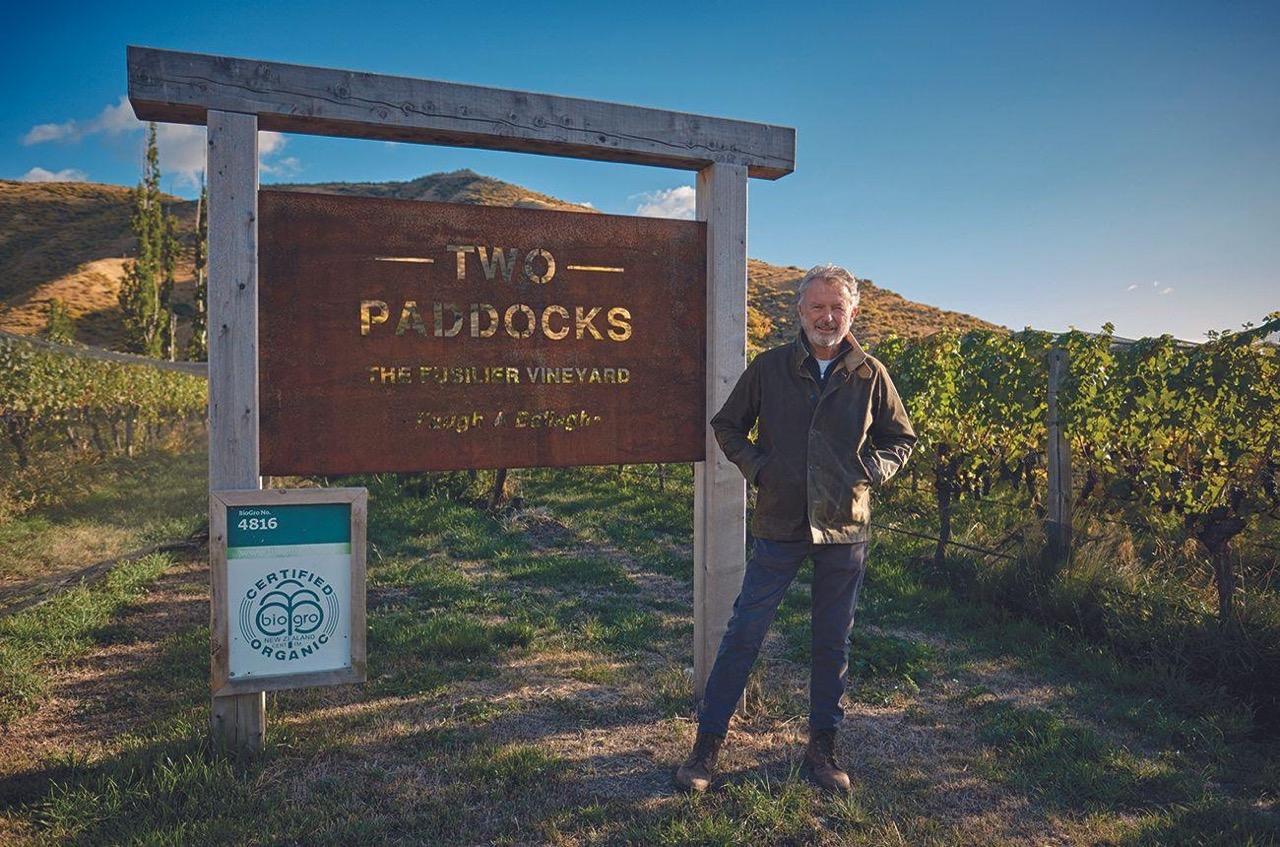
Sam Neill has died at the age of 78, which was announced on Monday by the New York Times. Family statements shared on July 13, 2026, said the New Zealand star died in Sydney and had remained cancer-free at the time of his death, despite being diagnosed with non-Hodgkin lymphoma in 2023. His death was described by the family as “sudden and unexpected.”
The actor and businessman left behind a career that blended blockbuster acting with a long-running business life built on wine, land, and property. Published estimates of Sam Neill’s net worth generally place his fortune around $18 million to $19 million, but those figures are not based on public probate records. They are industry estimates compiled from his film career, winery holdings, and property sales. What makes Sam Neill notable from a wealth standpoint is that he did not rely on one income stream. He earned from more than 5 decades of acting, built a serious wine business in Central Otago, and owned high-value real estate in New Zealand and Australia. That mix gave the actor and businessman the kind of diversified balance sheet many entertainers never build.
Sam Neill And The Acting Income That Funded The First Chapter
At its core, the foundation of Sam Neill's fortune was, of course, acting. Over a career spanning more than 50 years, he accumulated more than 150 film and television credits, appearing in some of Hollywood's highest-grossing franchises while earning critical acclaim in independent cinema.
His breakthrough arrived with New Zealand's Sleeping Dogs in 1977 before international audiences embraced him through films such as My Brilliant Career, Dead Calm, The Hunt for Red October, The Piano, and, most famously, Jurassic Park. The 1993 Steven Spielberg blockbuster grossed more than $1 billion worldwide after multiple re-releases, while the franchise as a whole has generated over $6 billion at the global box office.
His biggest financial lift came from his repeated work and appearance in the global hit series that Jurassic Park became over the years. Sam Neill played Dr. Alan Grant in four Jurassic Park films, with the franchise turning a cult actor into a household name. Those blockbuster paychecks provided Sam Neill with the capital to pursue something he often described as his greatest passion outside acting, which is the wine business.
He also worked steadily in television, including viewer favorites such as Peaky Blinders, The Tudors, and Merlin. The combination of film, TV, and voice work matters because it smooths out income over time. For actors, that consistency is often the difference between a brief celebrity run and long-term wealth creation.
Another contributor to Sam Neill's financial success was longevity. His return in Jurassic World Dominion in 2022 introduced him to a new generation of audiences while reinforcing the enduring value of one of Hollywood's most recognizable franchises. Beyond acting, Sam Neill also wrote, directed, and produced, which likely widened his earnings base. His memoir, Did I Ever Tell You This?, was published in 2023, adding another revenue stream late in life.
Two Paddocks: The Wine Business That Became A Second Engine
Perhaps the most important business asset in Sam Neill’s fortune was Two Paddocks, the Central Otago winery he founded in 1993. According to the company, it began with a planting of five acres of pinot noir in Gibbston and later expanded into multiple vineyard sites across Central Otago, including Alexandra and Bannockburn.
Two Paddocks says it is a small family winery dedicated to organic wines, and the brand has long positioned itself as a serious producer rather than a celebrity vanity project. That distinction matters because while many entertainers attach their name to a product, Sam Neill helped build a business with land, farming, and wine-making infrastructure behind it.
Here is the rough track record of the main vineyard holdings tied to Two Paddocks, based on company history and public reporting:
- The First Paddock, Gibbston: Planted in 1993 with 5 acres of Pinot Noir before it was later expanded. In 2022, the 8.3-hectare property reportedly sold for NZ$2.427 million, after being originally assembled by Neill’s company in the 1990s, according to the Otago Daily Times.
- Alex Paddocks: Acquired in 1998 as a 3-hectare vineyard near Alexandra, later becoming part of the company’s broader Central Otago footprint, the NZ Herald reported.
- Red Bank / Headquarters: Acquired in 2000 as a 130-acre farm in the Earnscleugh Valley, later used as the winery’s main site, according to Two Paddocks.
- The Last Chance: A 7-acre Bannockburn vineyard planted in 1998 and later used for a single-vineyard bottling, according to Two Paddocks.
- Bannockburn acquisition: Two Paddocks added another 6-hectare block in 2014, expanding its footprint into all three major Central Otago valleys, per Two Paddocks.
The winery expanded steadily over three decades, growing from a single vineyard into multiple estate properties across Central Otago. While the company has never publicly disclosed detailed financial results, industry observers regard Two Paddocks as one of New Zealand's premier premium wine brands, with bottles frequently retailing between $40 and $100 depending on the vintage.
Sam Neill’s Real Estate And Brand Bets Also Paid Off
Sam Neill’s other well-documented winner was his Double Bay home in Sydney. He bought the property in 1996 for A$839,000 and later sold it in 2020 for about A$3.6 million, according to The Real Estate Conversation. The sale works out to an increase of roughly 328% from purchase price to sale price, before transaction costs and taxes. On a simple basis, the gain was about A$2.761 million.
In 2022, he accepted a knighthood recognizing his contributions to film after previously declining the honor, reflecting the esteem in which he was held both within New Zealand and internationally.