
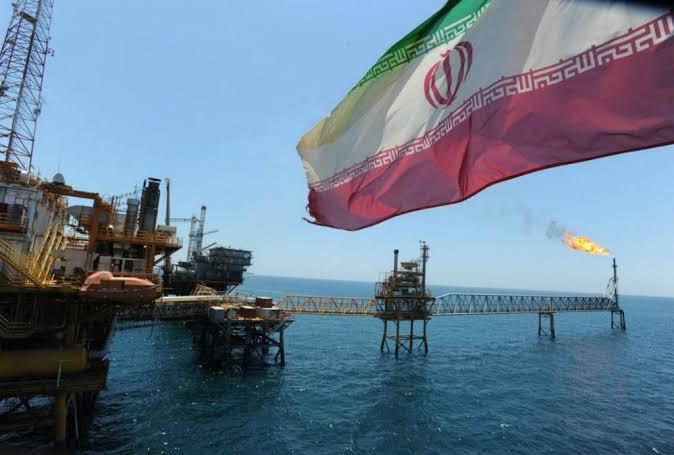
After what seemed like a quiet week, Iran and the Strait of Hormuz are back at the center of energy-market risk. The nation’s capital, Tehran, has warned tankers to follow approved navigation routes or face what it called a “forceful response,” according to AP on July 2, 2026. The warning matters because the Strait of Hormuz is one of the world’s most important oil chokepoints.
Iran’s joint military command said vessels that deviate from designated routes could face immediate action. This is happening during a fragile market where shipping traffic has been recovering, but operators are pricing in political risk, military friction, and the possibility of more disruption. On the other side, US Central Command has reiterated its commitment to the free flow of commerce through the waterway.
According to reports, the warning from Iran follows disagreements over alternative shipping corridors proposed near Oman's coastline, with Iranian authorities arguing that all vessels must comply with newly designated transit procedures.
Iran Raises Strait of Hormuz Threats
An important fact about Iran’s threat is that nearly 20% of the world's seaborne crude oil normally passes through the Strait of Hormuz, making any disruption capable of triggering significant volatility across global energy markets. Even with shipping activity gradually recovering, tanker operators continue exercising caution amid concerns that further escalation could once again interrupt supply chains, as seen earlier in the year.
“Any failure to comply, deviation from the designated route, or disregard for the navigation protocols of the Islamic Republic of Iran in the Strait of Hormuz will be met with an immediate and forceful response from the armed forces, endangering the security of the violating vessels,” the warning reads.
Despite the recent developments, diplomatic negotiations mediated by regional partners have reportedly made "positive progress," with officials expressing cautious optimism that a longer-term arrangement could restore more predictable shipping conditions.
The key market question now is whether Iran can materially disrupt flows long enough to force a lasting repricing in crude. Reuters, in a July 1 report, quoted senior Iranian sources as saying Tehran wants formal recognition of its control over passage through the Strait of Hormuz and could use force if necessary. The same report said Iran believes it has a “historic opportunity” to secure long-term leverage after recent conflict dynamics.
Even if the latest warning does not immediately change physical flows, it can widen insurance costs, force ship rerouting, and keep energy traders from fully fading geopolitical risk. In practice, that tends to show up first in things like freight rates, tanker insurance, and intraday crude volatility before it becomes a sustained move in benchmark prices.
Oil Prices Take A Hit
Oil markets, meanwhile, are telling a more complicated story. Brent crude, currently the global benchmark, was last quoted at $71.59 on July 2, 2026, which constitutes a 3.53% increase over the past year. But even then, the price was sharply lower than the June spike that briefly pushed prices toward the low-$90s. Over the last month, Brent has fallen from the low-to-mid $90s into the low $70s, and on the latest session, it traded between $70.14 and $71.92. That puts the benchmark near the lower end of its recent range, even after a short-lived geopolitical surge earlier in June.
Brent’s current price is still far below its 52-week high of $126.41, while the 52-week low stands at $58.72, according to FT data. In other words, oil has not collapsed to its floor. What it has done is it has given back a large share of the war-risk premium that built up during the June disruptions. These prices could continue to decline unless something happens again that intensifies tensions and possibly leads to the closure of the Strait of Hormuz again.
Market activity
Crude Oil Brent Cash
Market data and charting provided by TradingView. Data may be delayed depending on exchange availability.