
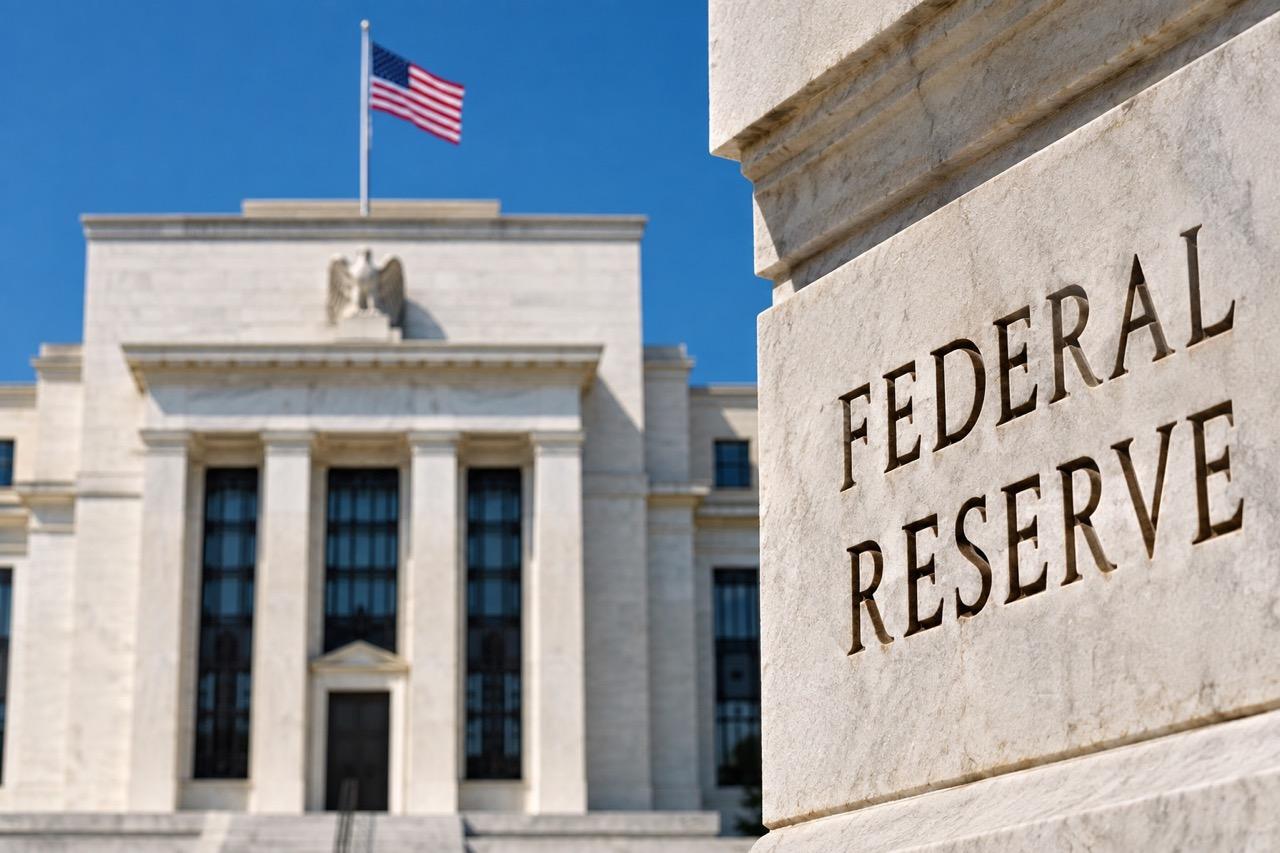
- The Federal Reserve is preparing a proposal that could raise the asset thresholds triggering stricter oversight of large US banks, potentially moving one threshold from $100 billion toward $150 billion and another from $700 billion toward roughly $1 trillion.
The Federal Reserve is preparing to raise the asset thresholds that determine when large US banks face additional regulatory requirements, according to four people familiar with the matter cited by Reuters. The central bank is expected to propose reindexing the thresholds to account for inflation and economic growth, Reuters reported Sept. 25. Three of the sources said they expect the Fed to propose the changes later this year, although the central bank has not publicly confirmed the reported figures.
Under the reported plan, some requirements currently triggered at $100 billion in assets could move toward $150 billion, while the highest threshold could rise from $700 billion toward $1 trillion. Reuters reported that the top threshold could reach about $960 billion if nominal gross domestic product is used as the basis for the adjustment.
The proposal would alter a regulatory framework established in 2019, when the current thresholds were introduced. Banks have argued that the thresholds have not kept pace with economic growth, while regulators continue to assess how supervision should scale with a bank's size, complexity and risk.
What Higher Fed Bank Thresholds Could Mean
The current Federal Reserve framework subjects bank holding companies with $100 billion or more in average total consolidated assets to enhanced prudential standards. Depending on the institution's category, those rules can cover capital, liquidity, risk management, and stress testing.
The framework becomes more demanding as banks move into higher categories. Category III generally begins at $250 billion, while $700 billion is a key threshold for Category II institutions. Other risk measures can also affect how a bank is categorized.
The Federal Reserve also collects systemic-risk information from large banking organizations through its FR Y-15 reporting framework, which generally covers institutions with $100 billion or more in relevant assets. The data is used to assess systemic risk and support the Fed's supervision of large banking organizations.
Raising the thresholds would not eliminate regulation for affected banks. Instead, some lenders could remain in less demanding supervisory categories for longer as their balance sheets expand.
That could be significant for U.S. Bancorp (USB), Capital One Financial (COF), PNC Financial Services Group (PNC) and Truist Financial (TFC), which Reuters identified as being close to the $700 billion threshold. A higher ceiling could give those banks more room to expand before facing some of the requirements applied to larger institutions.
Other regional lenders could also be affected if some requirements currently triggered at $100 billion move closer to $150 billion. Reuters reported that Western Alliance, Zions and several other banks could potentially grow beyond $100 billion without immediately taking on the full set of requirements currently associated with that level.
For investors following the US banking sector, the significance goes beyond compliance costs. Higher thresholds could give some lenders more flexibility to expand their balance sheets, increase lending or consider acquisitions before entering a more demanding supervisory category.
The potential benefits would still have to be weighed against the risks associated with faster balance-sheet growth. The broader risk-versus-reward tradeoff remains relevant because lower regulatory costs do not automatically translate into stronger shareholder returns.
Reuters reported that banks say crossing the $100 billion threshold can require major investments in compliance personnel, risk-management systems, stress-testing capabilities and regulatory reporting, with annual costs potentially reaching tens of millions of dollars.
The proposal could also affect bank consolidation. Reuters reported that higher thresholds could encourage some mid-sized lenders to pursue acquisitions because growing through a transaction would not immediately push them into a more demanding regulatory category.
However, this does not guarantee a new wave of bank mergers, because potential transactions would still depend on financing conditions, capital requirements, credit quality, valuations, and regulatory approval.
Why the Fed Is Reviewing Bank Regulation
The reported threshold changes come as the Federal Reserve continues to modify its approach to bank supervision. The Fed's current supervisory framework says examiners should focus on significant threats to bank safety and soundness and take timely, proportionate action when those risks emerge. The central bank updated its supervisory operating principles on Sept. 24.
That approach provides context for the proposed threshold changes. The issue is not simply how large a bank is, but how its size interacts with complexity, risk, and its potential effect on the financial system.
The Federal Reserve has also taken steps to reduce regulatory burdens for smaller institutions. On Sept. 10, the banking agencies increased the asset threshold for certain community banks eligible for an 18-month examination cycle from $3 billion to $6 billion.
The proposed changes for larger banks would represent a much more significant adjustment. Fed Vice Chair for Supervision Michelle Bowman previously said the central bank would consider reindexing asset thresholds and suggested nominal GDP as one possible measure, according to Reuters. A GDP-based approach would allow thresholds to rise as the overall economy expands instead of leaving them fixed indefinitely.
For investors, changes to bank regulation can influence operating costs, growth capacity and the competitive environment. Those factors are part of the broader analysis involved in investing in stocks, particularly when comparing financial companies with different business models and regulatory profiles.
The 2023 regional banking failures also remain part of the backdrop. The Federal Reserve has continued reviewing supervision following the failures, including how examiners identify significant risks and respond to emerging problems.
Any reduction in regulatory requirements therefore has to be considered alongside the purpose those requirements serve. A higher asset threshold could reduce compliance costs for some banks, but it would also change the point at which certain supervisory requirements become applicable.