
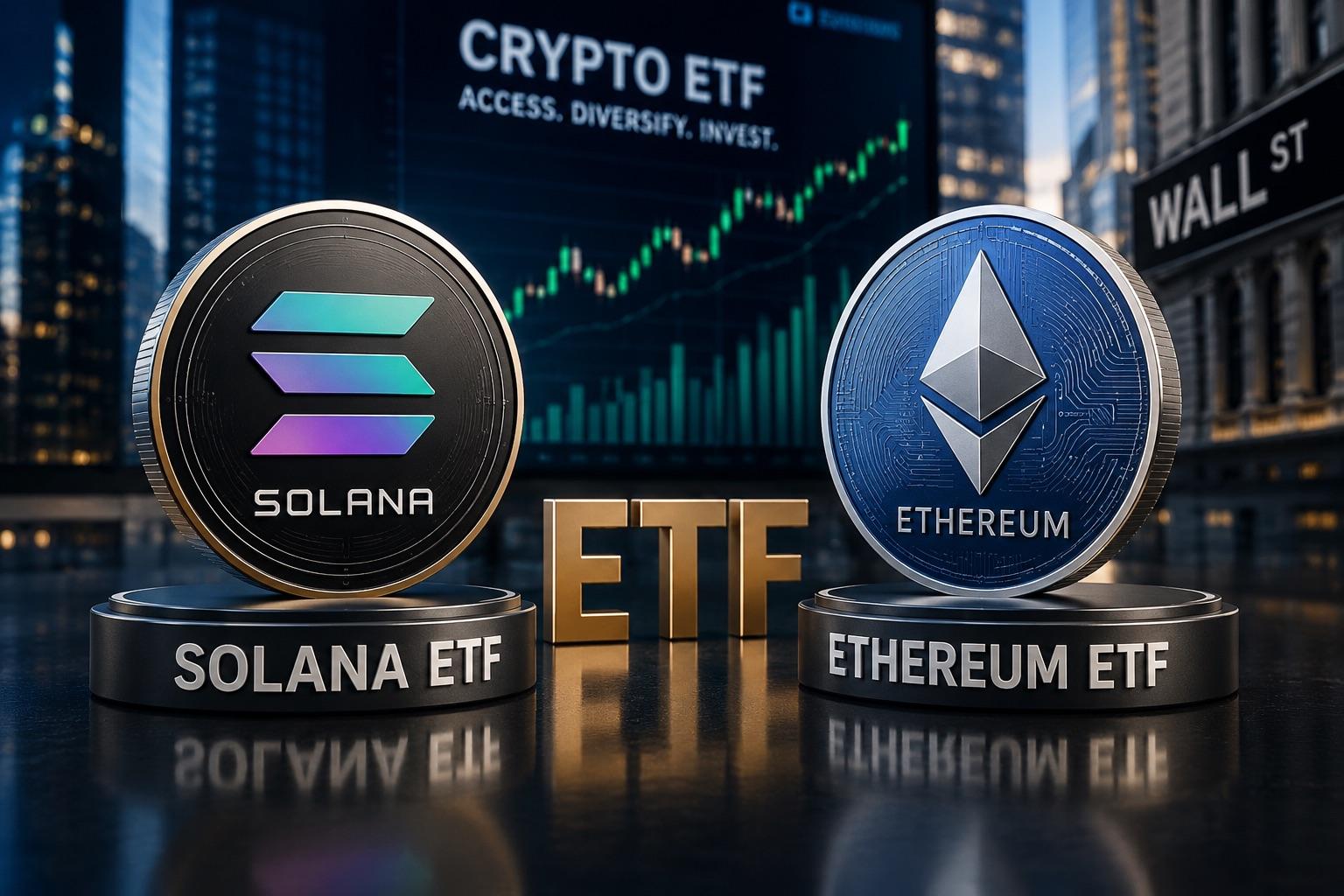
Ethereum and Solana are back in the ETF spotlight after Morgan Stanley’s latest amended filings on June 18 showed a sharper, more aggressive design than many rivals expected. The firm’s proposed new altcoin funds, the Morgan Stanley Ethereum Trust and Morgan Stanley Solana Trust, are yet to launch as the SEC has yet to approve them. But the new paperwork matters because it reveals a strategy that goes beyond simply copying existing spot crypto ETFs.
Instead of the regular crypto ETFs that investors have come to know, the Morgan Stanley ETFs will have lower fees, enable clean staking mechanics, and use a more institutionalized approach to handling liquidity and redemption risk, according to the SEC filings. If approved, these funds could intensify the fee war in crypto ETFs. Another major thing is that these ETFs can be a test for how staking yields could work in a regulated fund.
Why The Fee Cut Is More Important Than It Looks
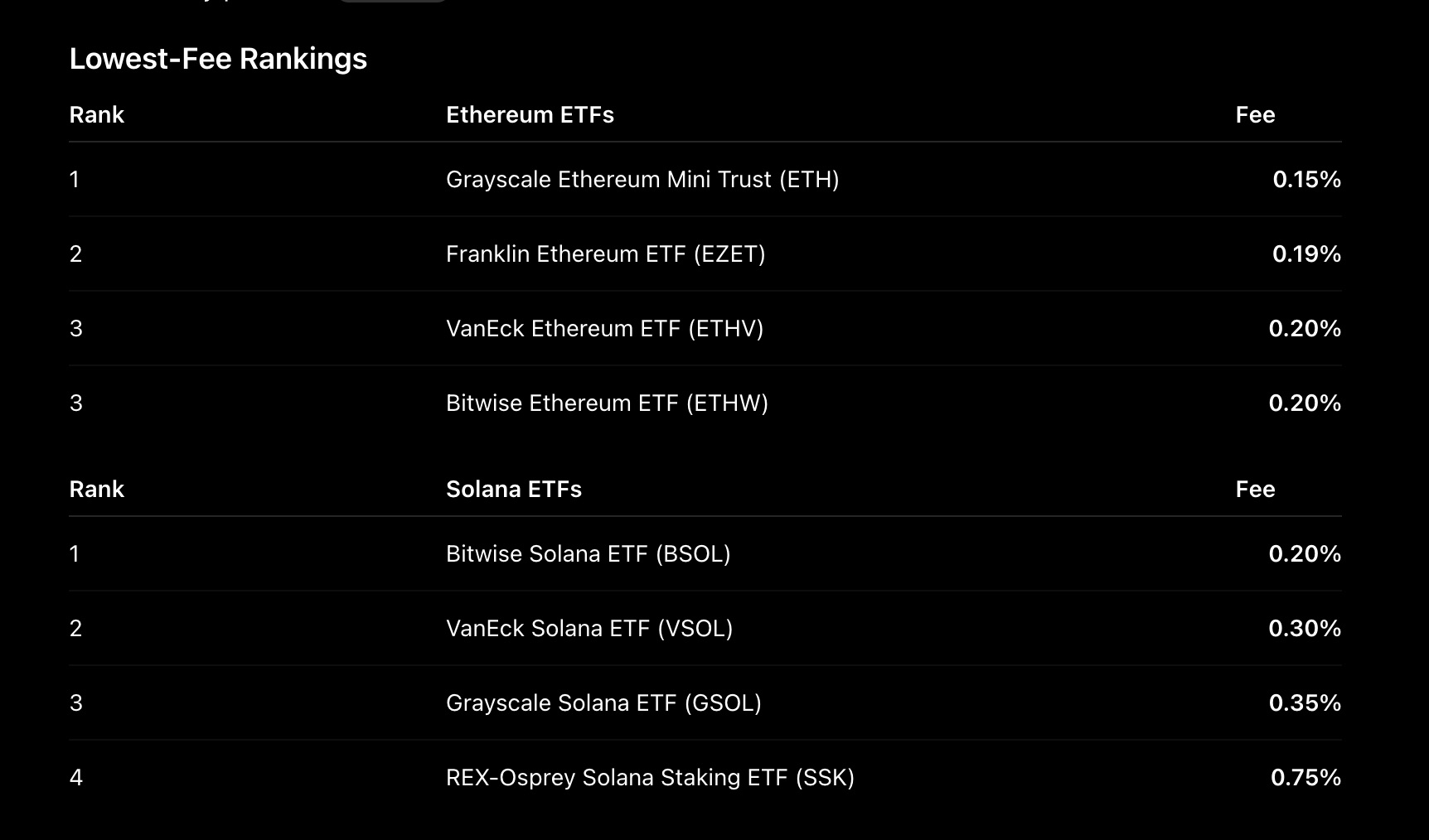
The main difference between Morgan Stanley’s Ethereum and Solana ETFs versus funds offered by other firms is the sponsor fee 0.14%, according to the amended filing. The proposed fee rates would undercut Grayscale’s Mini Ethereum Trust at 0.15% and make it one of the lowest in the U.S. Solana ETF market. This means lower than Franklin Templeton’s SOEZ, which currently charges a fee of 0.19%, according to data on the firm’s website.
On paper, the difference is only a basis point or two, but in practice, the lower fees become more notable when it comes to competition between crypto ETFs. This is because the ETFs based on these cryptocurrencies act less like active funds and more like consumer products. Thus, the marketing pitch has always been geared toward “same exposure, lower cost.”
Interestingly, Morgan Stanley has since been using the low-fee approach as a way to capture market share, which was evident in its Bitcoin ETF launch. The bank’s Morgan Stanley Bitcoin Trust launched in April 2026 with the same 0.14% fee and quickly became a case study in how brand, distribution, and pricing can work together. Morgan Stanley explained that the fund was available through its wealth-management ecosystem, and its low fees helped to draw inflows into the fund.
The Differences Between Morgan Stanley’s Ethereum And Solana ETFs
Morgan Stanley’s amended filing for its Ethereum trust says the product aims to track ether using the CoinDesk Ether Benchmark 4 PM NY Settlement Rate and to reflect staking rewards from a portion of the trust’s holdings. The filing also says the trust will generally hold ETH rather than trade around the market, and that it will not use leverage or derivatives. Meanwhile, the Solana trust looks similar on the surface, but the mechanics are where the difference shows up. Morgan Stanley’s Solana filing says the fund seeks to track SOL using the CoinDesk Solana Benchmark 4 PM NY Settlement Rate and to reflect staking rewards from a portion of the assets. The staking yields on both funds, though, are subject to legal and regulatory risk controls. Morgan Stanley plans to use regulated custodians, including The Bank of New York Mellon and Coinbase Custody Trust Company, LLC, similar to what many crypto funds are already doing.
Another distinction is the staking and liquidity design. Morgan Stanley’s filing says the Solana trust intends to stake a substantial portion of its SOL holdings under normal market conditions, while preserving enough unstaked inventory to handle redemptions and other liquidity needs. The document also lays out a framework for working with third-party staking providers and monitoring issues such as uptime, network conditions, and validator performance.
However, the Ethereum filing takes on a more cautious language in comparison, because for Ethereum, the staking is conditional, not guaranteed. Morgan Stanley says ETH staking would occur only if it can do so without undue legal, regulatory, or tax risk. That distinction matters because the SEC has spent the last year clarifying how it views protocol staking and related service models.
In a May 29, 2025, staff statement, the SEC’s Division of Corporation Finance said certain protocol staking activities do not involve the offer and sale of securities, depending on the facts and circumstances. More broadly, the SEC’s March 17, 2026, interpretation said it was clarifying how federal securities laws apply to certain crypto asset activities, including protocol staking.