
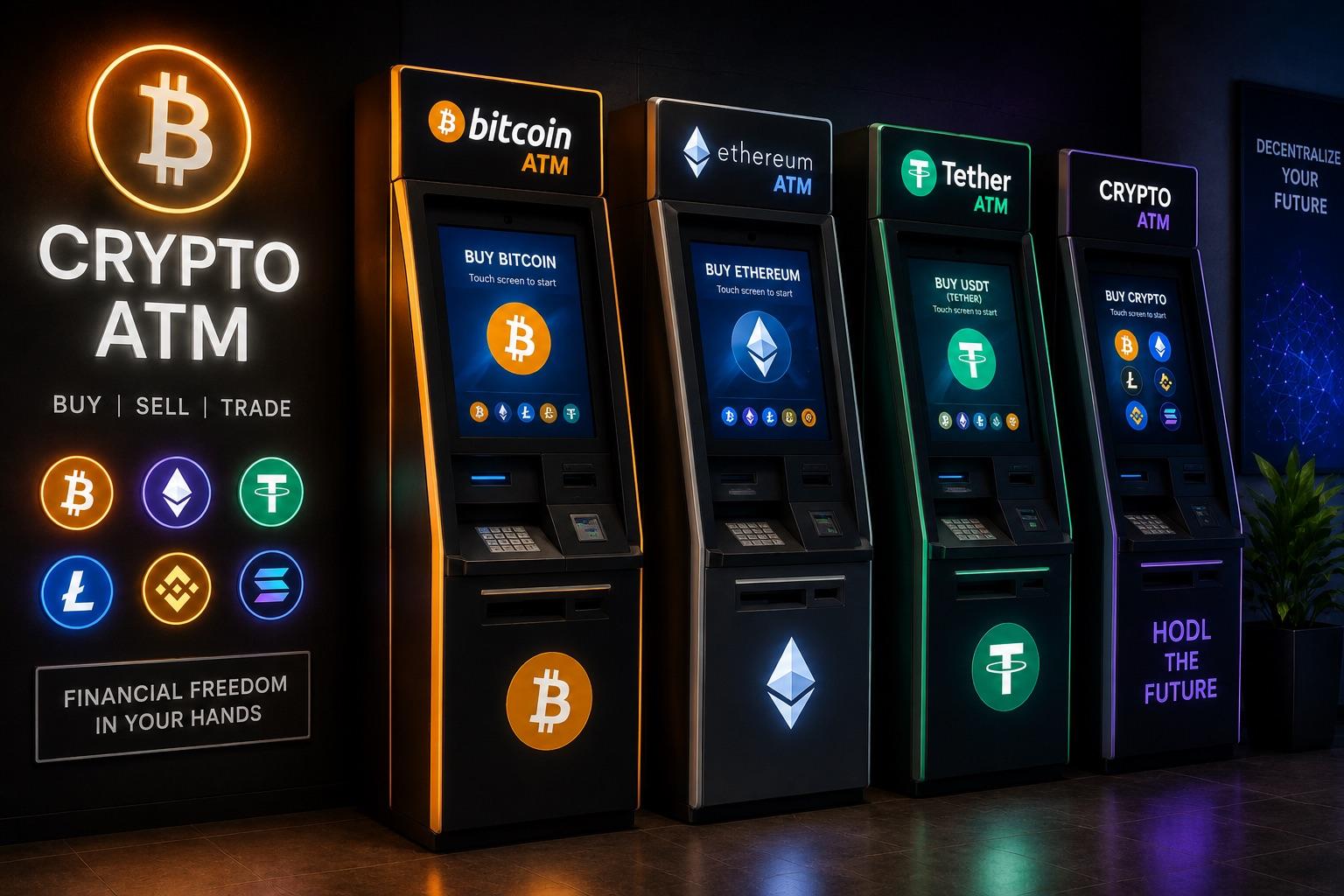
Bitcoin and Crypto ATM scams are surging again, and regulators are racing to catch up. Bitcoin ATMs, also called crypto kiosks or BTMs, accept cash and convert it into digital assets that can be transferred almost instantly. Once the money is sent, recovery is often difficult or impossible.
Bitcoin And Crypto ATM Scam Numbers Keep Rising
The Federal Trade Commission recently said that losses tied to Bitcoin ATMs increased nearly tenfold between 2020 and 2023. Users of Bitcoin and crypto ATMs reported more than $110 million in losses in 2023, and $65 million in the first half of 2024 only, according to an FTC Data Spotlight published on September 3, 2024. This data suggests that there is a consistent rise in scams.
The FTC and FBI both say the scam playbook is now well established, where the scammers pressure the victims to withdraw cash, rush them to get a kiosk, and send funds to a wallet the scammer controls. The fraud often starts with an impostor call, text, or pop-up warning about a fake problem. This could range from a compromised bank account to a bogus government investigation, or even a computer security emergency. Once the victims are convinced, they are then told to withdraw cash and use a nearby Bitcoin or crypto ATM kiosk to “protect” their money or resolve the issue.
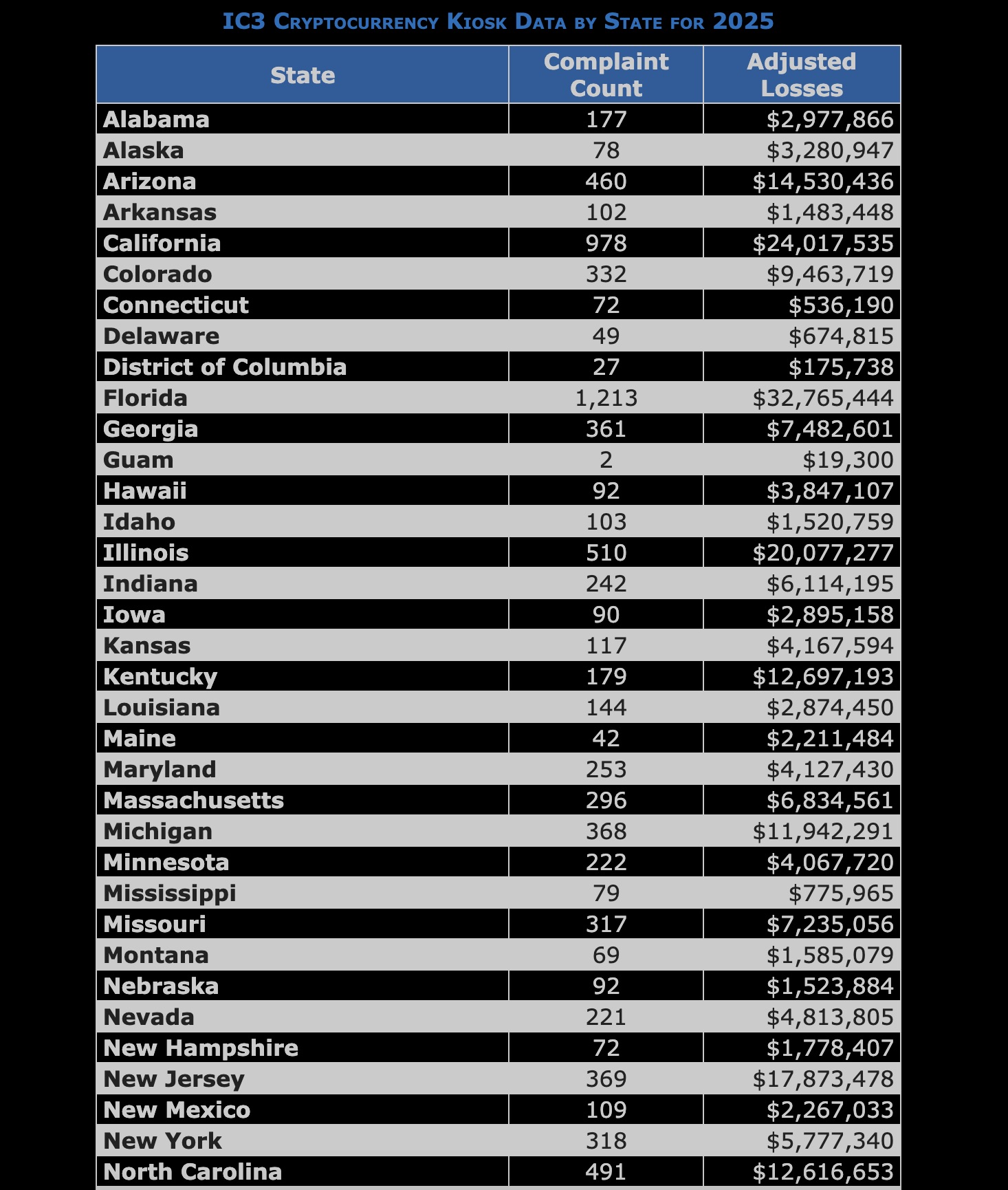
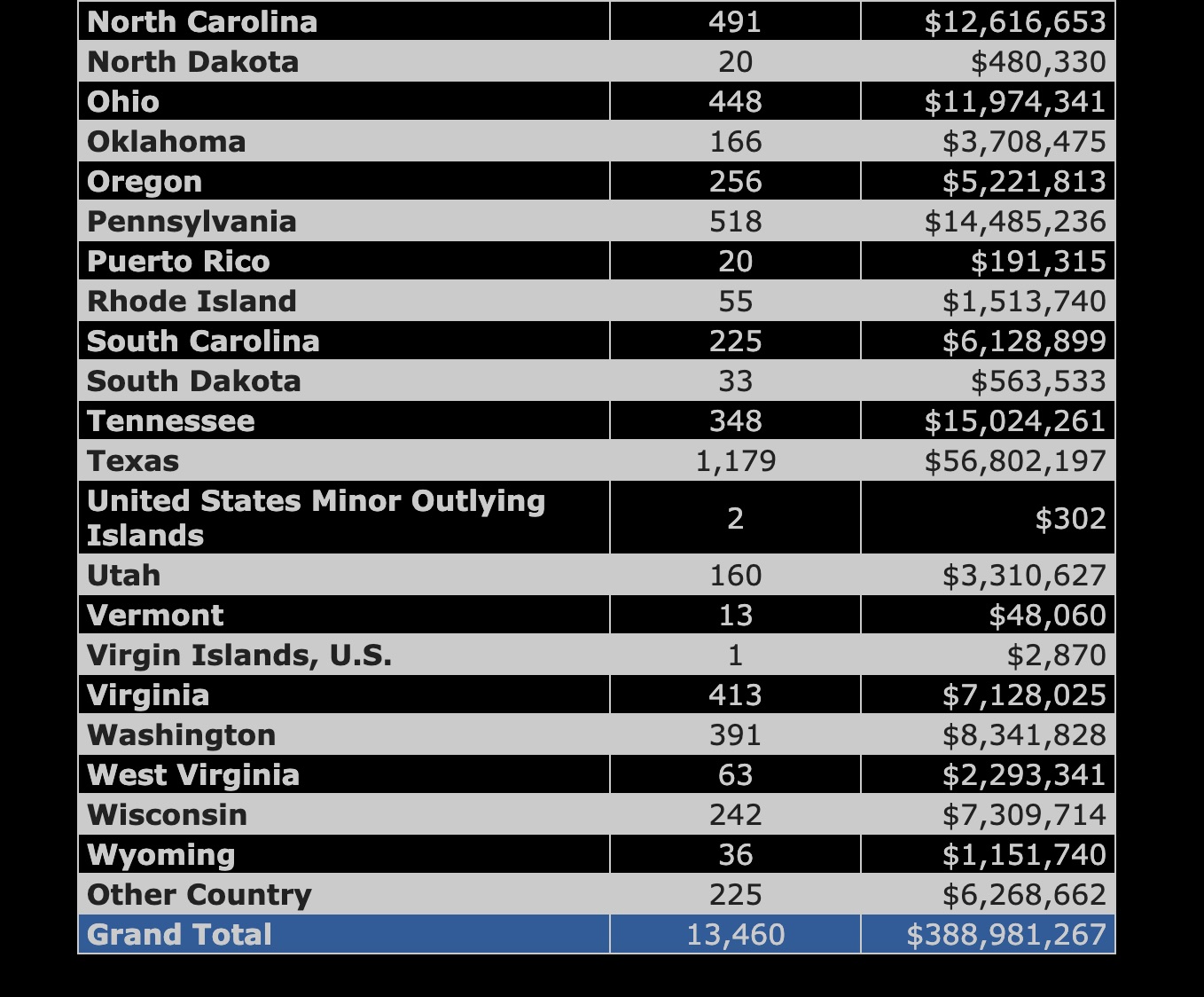
The FTC warns that people over 60 are more than three times more likely than younger adults to report a kiosk-related loss in the first half of 2024, and the median loss from each scam reported was $10,000. This age gap matters because it actually explains why the losses seem to be so concentrated. The FBI’s 2025 Internet Crime Report revealed that Americans over 60 reported about $7.7 billion in cybercrime losses overall in 2025, while the Internet Crime Complaint Center (IC3) has received over 1 million total complaints.
The geography also matters. In the FTC’s 2024 spotlight, reports showed scammers often direct victims to specific kiosk locations, suggesting that fraudsters may prefer operators with weaker controls. That point is now central to the policy debate, because it implies that better compliance, better warnings, and better identity checks could reduce losses even if the machines remain legal.
What Are Regulators Doing To Stop It?
The most aggressive response has been bans. According to reporting from Reuters and recent state updates summarized by AARP, Indiana moved first in 2026, and Tennessee and Minnesota followed with bans scheduled to take effect later this year. Other states have chosen stricter disclosure rules, transaction limits, and refund provisions rather than outright prohibition.
At the federal level, lawmakers have introduced proposals that would require kiosk operators to register, verify customers more carefully, cap first-time transactions, and issue stronger fraud warnings. The FinCEN notice from August 4, 2025, aimed to add another layer of security to these Bitcoin and crypto ATM kiosks. The Treasury’s financial-crime unit warned banks and kiosk operators to watch for red flags tied to scams, structuring, and other illicit activity. The notice also flagged patterns such as repeated cash withdrawals, multiple small transactions, QR-code transfers, and older customers conducting large, unusual kiosk payments.
The FTC’s consumer alert has also warned Bitcoin and crypto ATM users that legitimate companies and government agencies will never ask consumers to pay for anything using these kiosks. Therefore, any messages implying such should be disregarded as they are fraudulent.